
How Is C-PTSD Different From PTSD?

Trauma Therapy Can Help Both PTSD And C-PTSD   

If you’re like most people who struggle with PTSD, there’s something that happened in your past that’s responsible for you being the survivor—or the victim—of trauma. This means that if you’re having trouble like anxiety, or professional conflict, or unhealthy behaviors, it’s all connected to your past.

That’s a big reason why I want to help you treat, even totally overcome, all of “what happened” and replace it with the resilience that all “trauma survivors” use every day. Here’s where to get started.

Breaking Down C-PTSD  

If you’re someone with trauma, it’s no secret: PTSD can disrupt your life with everything from sleep problems to avoiding people to self-medicating with drugs or alcohol. But did you know that some trauma is all those symptoms plus more… especially if the trauma was repeated or lasted long-term… so that it can change your whole personality?

Well many people struggle with this. After all, it’s only natural and normal:

When someone experiences trauma from an early age, or long-term trauma, or multiple traumas, it triggers unstoppable emotional and physical responses in that person. These are experiences that are almost impossible to resist. Once a person has this kind of chronic trauma, it’s hard to stop big changes from happening, especially if it comes from childhood abuse or neglect!

Recognizing Signs Of C-PTSD As An Adult 

Cognitive therapist Aaron Beck* describes 7 common symptoms for people with C-PTSD:

1) They have problems with memory and attention.

2) They feel intense emotions, like anger, sadness, or numbness… but in a self-destructive way outside of their control.

3) They have deep struggles with self-esteem, ranging from ineffectiveness to guilt and shame, because they probably believe they’re responsible for their trauma.

4) They repeat unhealthy patterns in relationships, like staying in an unhealthy relationship because it feels familiar.

5) They might be confused about “the perpetrator,” maybe even idealizing them.

6) They face big questions about their systems of meaning, from losing belief structures to helplessness.

7) They experience physical and health-related symptoms, like chronic pain.

And, while anyone can experience C-PTSD, research has found it’s more common in women, especially when there’s been physical or sexual abuse. In the case of someone with C-PTSD who tries PTSD treatment, this means way too many people are probably getting their PTSD symptoms treated (anxiety, etc) but they may also have deeper symptoms that need deeper therapy…

So with that in mind, here’s the recommended course of psychotherapy:

3 Ways Therapy Can Help Heal Your Living With C-PTSD 

Beck says the key is to engage with trauma therapy for awhile, over the long-term, and make sure to focus on 3 things:

1) Self-definition.

2) Emotional regulation.

3) Relationships.

If you’re someone with C-PTSD, I don’t have to tell you…

The treatment of what you’re going through might need an extra-special look into what’s happening and how to change course. You might need a multipronged and extended kind of therapy for PTSD. You might need more than what’s typical or standard.

And when it comes to PTSD treatment for trauma that’s this deep in the root of things, you can find safety in moving forward with one word:

MEANING.

In other words… the best kind of therapy for C-PTSD never forgets how you’re making meaning out of events. It’s the kind of look into how you tell your story and pursue it with passion… and how you might make positive changes toward growth in areas you’d like help with and may have troubled you for a long time. For example:

When it comes to helping your relationships, that means connecting with how you perceive other people’s emotions by being assertive—while always staying aware of how they’re feeling. It also means working on how you define your life big picture through those relationships and then this all helps regulate how you feel about the way things are going. And that’s just from the angle of helping relationships specifically.

Let me leave it at this…

I’d love to help you work at Beck’s true “secret” of how therapy can help your C-PTSD at what the experts call the “personality” level. It’s basically at the core of everything that I use to help you in session, and the whole reason why if something happened many times or someone is really anxious… it has nothing to do with helping you moving forward from trauma and living with C-PTSD in a manageable way! It’s really about developing your skills of perception over time so you can look at yourself, your emotions, and your relationships in new, more healthy ways. So please reach out right now and let’s start your therapy for C-PTSD.

CONTACT ME

*Footnote 1: See Aaron Beck’s Cognitive Therapy of Anxiety Disorders, p. 506.

Find out more about PTSD Treatment.


About The Author

John Younes, JD, MA, LPCC, NCC is a trained counselor who owns a private practice in Denver, CO. In general, he specializes in depression treatment, anxiety treatment, and PTSD treatment using existential and cognitive therapy practices.

If you’re thinking about suicide and are in immediate danger, please call your local emergency number. For Denver, Colorado, call 1-844-493-8255 or text TALK to 38255. You can also call the National Suicide Prevention Lifeline at 1-800-273-8255.


What Is The Role Of Avoidance In PTSD?

Why People With Trauma Use Avoidance To Cope   

What if I told you it’s normal for someone with PTSD to avoid fears and memories of the trauma—and that this actually contributes to having signs of PTSD over the long-term? Would you be open to that possibility and to understanding how therapy for PTSD can help you grow beyond that?

As bad as it may feel, I know from experience that part of trauma therapy involves taking back a sense of personal control from those fears and memories. Especially when it comes to ways of coping that may not be the healthiest because they keep you stuck.

Here’s the thing…

Some people with trauma like to think that by avoiding their PTSD symptoms, somehow they can make them go away or be less of a problem. And many of them have ways to push away these symptoms for one reason or another because they think it’ll help the situation.

But often, the opposite is true.

What Does Trauma Avoidance Look Like?

This kind of person is under a lot of pressure! And yet research shows that the avoidance strategies people typically use are counterproductive over the long-term.

In fact, they bring more challenges because they stop these people from changing how they think about the trauma and they block any change from happening to the trauma memory.

The difference comes down to how someone accepts, understands, and responds to trauma. And that’s exactly what PTSD treatment helps you work out for yourself. Are you able to process through the trauma or do you try to avoid it? Here’s what I mean, and I wonder if you see yourself in any of these quick descriptions:

Avoidance Method #1: Suppression

Have you ever been so determined to not think about a trauma that you feel like you’ve tried basically everything to think about something else? This struggle could include trying to get rid of mental images about the trauma and spending a lot of daily energy to keep things under control.

Trying to push away thoughts about what happened doesn’t actually “get rid” of them over time. It makes them stronger and therefore you might end up feeling like you’ll always be having to deal with negative consequences.

Avoidance Method #2: Rumination

This is when you can’t stop reflecting on what went wrong or what you could have done. This may not seem like avoiding. But a person who copes with trauma like this is actually numbing out how they think and feel about the trauma. The end result is they get stuck in a cycle of thinking about the trauma without ever moving forward.

Unfortunately, trauma doesn’t go away by answering all the “what if” questions, and it doesn’t go away because you find the perfect answer. Instead, a PTSD therapist can help you find answers about how you may recover and manage your symptoms happening now and into the future—even if addressing those “what if” questions is also part of PTSD therapy, too.

Avoidance Method #3: Dissociation

Someone dissociates when they blank out in an unhealthy way. At the top of the list are things like emotional numbing, feeling like you’re not really there, and so on. These things can happen automatically or you can also play a role in them. And they might bring quick relief… but they don’t keep the other symptoms away forever, as we snap out of it sooner or later.

More importantly, dissociating doesn’t heal any kind of memories or fears when someone shuts down like this. In fact, it blocks them from learning how the memory of a trauma can fit together with other life memories so they can heal. Yet thankfully, you can work on this safely and slowly in PTSD treatment with a trained and compassionate therapist.

If you want to address trauma and move forward from it, then please reach out to me. I’m happy to help you in therapy for PTSD. Let’s get you moving into a better future.

CONTACT ME

Find out more about PTSD Treatment.


About The Author

John Younes, JD, MA, LPCC, NCC is a trained counselor who owns a private practice in Denver, CO. In general, he specializes in depression treatment, anxiety treatment, and PTSD treatment using existential and cognitive therapy practices.

If you’re thinking about suicide and are in immediate danger, please call your local emergency number. For Denver, Colorado, call 1-844-493-8255 or text TALK to 38255. You can also call the National Suicide Prevention Lifeline at 1-800-273-8255.

3 Critical Keys To Post-Traumatic Growth

A Realistic View On What Post-Traumatic Growth Looks Like  

When it comes to needing PTSD treatment, what some people think will help and what will actually help them can be two different things. In this letter, I’ll talk about 3 critical steps you can take towards healing and recovery, whether it’s on your own or with the guidance of a PTSD therapist who can walk you through it…

And when you do want help walking through it, if you’d like to make sure you work with a dedicated and compassionate PTSD therapist, read this.

What Do You Do With Trauma?

No two ways about it: ask the typical person with trauma what a major way of coping has been for them and they’ll put some kind of avoidance (distraction, dissociation, etc) among the top of the list.

But here’s the thing: we all know deep down that avoiding “reality” is one quality that—at best—has nothing to do with stable, recovering, long-term mental health. And,. at worst, it can make more problems down the road for people with anxiety and PTSD. We could all probably imagine why…

Sure, “avoiding” works to get some calm or stability in the now in the short-term… and it can even keep going for awhile. But the cognitive research shows: at some point in the future, coping strategies like avoiding don’t stand the test of time… and that’s because the ways you think deep down about the trauma, yourself, and the future do not change. Luckily…

Cognitive Therapy Can Help You, Your Trauma, And Your Future

What can someone with trauma aim for when it comes to treating trauma for the long-term? First, I’d definitely recommend therapy for PTSD because one of the best ways it can help is by changing “hot” traumatic memories to “bad” traumatic memories, as it’s called in cognitive therapy. That’s one of the benefits you can find in PTSD therapy over time because it’s a process that goes deep.

But in case you can’t make it to trauma therapy, here are 3 key steps to reducing your anxiety and PTSD symptoms that you’d do in cognitive therapy with me, according to Aaron Beck*:

Step #1: Heal Your Negative Beliefs   

If you’re recovering from trauma, you deserve a lot of compassion, because how you grow beyond hard-wired thinking about what the trauma means is a great struggle within PTSD. Your success in managing PTSD symptoms—and keeping it going for the long term—actually lies in re-shaping and re-constructing your belief systems. In what you believe about the world, other people, the trauma, your symptoms, the future, and you.

(People with trauma are facing a lot as they try to live with and make sense of traumatic experience, and they deserve assistance.)

In more specific terms, you need to address the limiting beliefs that hold you back from achieving your brighter future… the future you’ve always imagined for yourself. This means working on new beliefs that have the qualities to support you in getting that future, no matter what they may be.

Which leads me directly to…

Step #2: Define What You Want To Remember

This one’s as simple as it sounds… Before you can break free from the negative influence of your trauma, first you need to heal what you remember. This is something you can get started on right now: clarifying your personal “vision” of what memories mean in a fulfilling way.

Once you do that, guess what… the trauma memory will stop confirming those negative beliefs I talked about in Step #1. Cognitive research shows that you can heal a lot of your distress by organizing a meaningful and complete memory of trauma.

And if you need some extra help figuring out how to best organize your memories, I offer the cognitive therapy to do so, easily and at your own pace. We’ll work on bringing out the hidden qualities that naturally produce resilience. But more importantly, I’ll also take you through how to process any unresolved memories. You can read more about cognitive therapy for PTSD here.

Step #3: Improve How You Might Cope

Some people with trauma cope in unhealthy or destructive ways. And it’s all just because they’ve been practicing counterproductive responses over and over. In other words, if you’re a traumatized person who has problems in personal or work relationships, you can improve and refresh how you function. If you’re someone who copes with trauma by using a substance and it causes challenges, you can examine how else to calm what you’re self-medicating.

Basically, when it comes to treating your trauma, you would benefit from honestly and bravely taking a look at how you might cope more constructively in the future. Only then can you build hope and resilience over the long-term: when your habits, routines, and behaviors support a life of recovery from trauma.

I hope these 3 key steps give you a picture of some ways you can treat your trauma. In cognitive therapy for PTSD, we’ll spend a lot of time on modifying negative beliefs, trauma memories, and unhealthy ways of coping. And I’d be honored to have the opportunity to help you grow after trauma, so please reach out.

CONTACT ME

*Footnote 1: See Aaron Beck’s Cognitive Therapy of Anxiety Disorders, p. 539.

Find out more about PTSD Treatment.


About The Author

John Younes, JD, MA, LPCC, NCC is a trained counselor who owns a private practice in Denver, CO. In general, he specializes in depression treatment, anxiety treatment, and PTSD treatment using existential and cognitive therapy practices.

If you’re thinking about suicide and are in immediate danger, please call your local emergency number. For Denver, Colorado, call 1-844-493-8255 or text TALK to 38255. You can also call the National Suicide Prevention Lifeline at 1-800-273-8255.

How To Cope When Current Events Bring Up Past Trauma

How To Cope With A Traumatic Past

If you use PTSD therapy to work on just a few key shifts to the way you experience your trauma (in other words, how you think and react), it’ll automatically help your body relax in what’s called relaxation training.

When you do this and other work in “trauma-focused cognitive therapy” (which I offer)… then many studies show you’ll get “significantly greater improvement on symptom measures of PTSD, generalized anxiety, depression, and functional impairment.”*

If you do PTSD treatment, it’s scientific: You’ve got the best shot at going 5 years without another PTSD episode when that treatment uses cognitive therapy for PTSD (this is the topic of a great research study done in 2004**) Click here to learn more about how you can work on this with me.

How Do You Overcome Past Trauma?

I’ve seen many people struggle with the question of what to do with trauma. I think it’s natural for traumatized people to be so hurt by the aftermath that they can get distracted from reflecting on what to do with trauma on a deeper level…

Trauma makes memories… and those memories make struggles concerning what you believe about yourself, other people, and the world. Some people even struggle with what they believe about their own signs of PTSD. That alone is enough to cause its own challenges.

Luckily, I’ve seen that learning how to find a sense of safety while working on trauma memory in PTSD therapy can help, and it has a couple of major benefits, too:

1)     When you practice how to shift your attention after a memory pops up, it makes you stop worrying as much about when the next memory is coming. Most anxiety in between PTSD episodes is rooted in the fear of when the symptoms will be back.

2)     When it comes to tolerating the physical signs of PTSD, this skill makes things much easier. Many people with PTSD are stuck in routines that are bad for them. When you know how to tolerate the physical damage with more resilience, you won’t be as upset by the symptoms.

Basically, what I’m trying to say is that I think addressing this question called “How to overcome past trauma” is key to managing your PTSD symptoms. When you get the small confidence that comes from practicing in PTSD therapy, it makes you more resilient… period.

Does Past Trauma Ever Go Away?

Now let’s talk about what’s happening inside someone’s posttraumatic experience… And first, I’d like to mention what I believe is at the root of the problem:

1)     Threat.

2)     Thinking.

When you’ve experienced or witnessed a serious threat to safety, health, or well-being, you might find yourself wondering later if something else bad is going to happen. This often shows up as a combination of feelings, images, and physical symptoms that make you worry about coping right now , and at the same time worrying about not being able to cope long-term, or “permanently.”

These are feelings which should be handled with compassionate care because they can influence your thinking, and create illusions like you’re worse off than you are. We’re going into deeper waters here, but this points to what really causes things like trauma triggers to repeat.

Because, as if things aren’t hard enough feeling vulnerable and under threat, you might also start having intrusive memories of the trauma or other changes to the way you think, feel, and behave. This triggers negative thinking that can be incredibly challenging and is one of the biggest reasons why someone with trauma would benefit from working with a PTSD therapist. Therapy can’t wave a magic wand, but it can help you learn different ways to heal from past trauma and go forward into the future.

How To Cope With Traumatic Memories

What’s the best thing to do when a past trauma memory gets triggered in the moment? Well, let’s start from a little ahead of that! Before I give you my take, I want to recommend that you also read and consider my cognitive therapy style of working. This kind of work addresses your PTSD symptoms that come from past trauma, including memories, and it will help you develop a deep and important part of yourself.

Over a course of PTSD treatment with me, I’ll work to help you create or build upon strengths that are rooted in what you can start doing before it ever happens… and it’s a combination of a few parts that you can also try on your own:

1)     Get to a deep realization that you can heal your thinking about your sense of threat.
2)     Build your understanding about the nature of your trauma responses to the point you aren’t worried as much anymore about triggers going off in the future.
3)     Mentally prepare how you plan to handle hard times in full detail and with your whole imagination—and mentally rehearse over and over until you feel less anxiety about one of these situations.

How To Deal With Your Past Trauma

And here are some ideas for what to do about dealing with it in the moment:

1)     Expect it. If you’ve survived traumatic experience, you’re almost guaranteed to have some symptoms like flashbacks or anxiety. It’s normal and part of the human response to trauma.
2)     Try to use it to be creative. Some people with trauma don’t try to express it creatively at all… and it’s kind of unfortunate because they don’t need to do it artistically.
3)     If you suspect you may be dealing with signs of PTSD more often than you’d like, reflect, and consider working with a PTSD therapist because you may get guidance and support.

The point I’m making is that you can have an effect on that anxiety/threat/thinking issue, and eventually come to a place where you’re not distressed anymore. Take some power back for yourself by working with a PTSD therapist. If you’d like to work with me, please reach out and let’s get started on therapy for PTSD.

CONTACT ME

*Footnote 1: See Aaron Beck’s Cognitive Therapy of Anxiety Disorders, p. 550.

**Footnote 2: See Tarrier and Sommerfield’s Treatment of chronic PTSD by cognitive therapy and exposure: 5-year follow-up (2004).

Find out more about PTSD Treatment.

About The Author

John Younes,

JD, MA, LPCC, NCC is a trained counselor who owns a private practice in Denver, CO. In general, he specializes in depression treatment, anxiety treatment, and PTSD treatment using existential and cognitive therapy practices.

If you’re thinking about suicide and are in immediate danger, please call your local emergency number. For Denver, Colorado, call 1-844-493-8255 or text TALK to 38255. You can also call the National Suicide Prevention Lifeline at 1-800-273-8255.

How PTSD From Emotional Abuse Affects You Later In Life

Can Emotional Abuse Cause PTSD?

If you’re ready to do something about your PTSD abuse symptoms and finally move forward, please consider this.

I have a few personal questions I’d like to ask you. They’re about things you may have never discussed in detail with anyone before… but I think it could be valuable if you reflect about them, and be as honest with yourself as possible…

Before I ask them, let me quickly say that PTSD is now considered to extend beyond the trauma of war, rape, accident, and natural disaster to also include the trauma you may have experienced from abuse. In other words, physical, sexual, or emotional abuse can give someone PTSD.

Not everyone with PTSD experienced childhood abuse or emotional trauma growing up, but there’s a lot of mental health research that shows most people in general probably don’t grow up with enough love and guidance necessary to form a healthy sense of identity and healthy relationships, which can itself be traumatic. Now on to the questions…

What Is PTSD Abuse & Its Long-Term Effects?

Do you feel like something’s missing when life’s going smoothly because you feel more alive during a crisis? Have you ever had trouble with intimate relationships or compulsively doing things like eating, working, or abusing substances… and did it ever make you think you need a change?

Have your feelings scared you to the point that you believed if you could just get one special kind of control, those feelings would vanish… and you’d be OK? At the same time, maybe you’re worried this won’t happen for you because you’ve tried things before… and you’re concerned you might not be able to break the cycle?

Because, on a slightly different note: Do you ever feel numb, sad, or alone? Maybe you find it hard to trust others and you get overwhelmed by the burden of your responsibility for everything? Perhaps you struggle with aches and pains, or chronic exhaustion?

And even though you’ve probably tried all the tips and tricks for what should work to help all this… it just doesn’t seem to last? These are all long-term effects of PTSD abuse symptoms, and if any of this hits home with you, luckily you’re not alone and there is help out there in the form of PTSD treatment.

What Is A Trauma Response To Emotional Abuse?

Maybe you’ve experienced reactions to emotional trauma like reliving it in flashbacks or feeling physical symptoms like a racing heartbeat. And it’s frustrating that when this process gets triggered by something happening in life… it feels like there’s nothing that’ll stop it.

Sadly, some people choose to endure their signs of PTSD rather than get help. Thankfully, others choose to work with a PTSD therapist. Either way, I believe someone with PTSD can start the healing process by addressing their “Inner Child.” (This is what the psychologist Carl Jung called the “Divine Child” and what Dr. Charles Whitfield calls the “Child Within.”)

In other words, it’s definitely possible for a person who has emotional trauma to heal by learning how to overcome their Inner Child’s emotional and psychological challenges. However, I’ve also seen that if someone doesn’t let the inner child have a voice or explore it in depth, that person’s unhealthy trauma responses will probably continue.

To make a long story short, I highly recommend if you’re someone who’s dealing with the PTSD abuse symptoms of emotional trauma that you go inside, work on your inner child issues, and you might see a “shift” happen for you over time. Because that part of you may have never had this or that emotional need met, and the trouble you’re in may be its way of telling you there’s something you need to look at. For example, if you had a need denied to you as a child in certain circumstances… you might over-indulge later as an adult.

Nevertheless, with the help of a PTSD therapist like me, you can identify what this part of you needs and we can work to get those needs met in healthy and constructive ways. I hope you reach out to me soon!

CONTACT ME

Find out more about PTSD Treatment.


About The Author

John Younes, JD, MA, LPCC, NCC is a trained counselor who owns a private practice in Denver, CO. In general, he specializes in depression treatment, anxiety treatment, and PTSD treatment using existential and cognitive therapy practices.

If you’re thinking about suicide and are in immediate danger, please call your local emergency number. For Denver, Colorado, call 1-844-493-8255 or text TALK to 38255. You can also call the National Suicide Prevention Lifeline at 1-800-273-8255.


What Is Generational Trauma?

Understanding Generational Trauma & How To Heal

Tell me if this sounds like anything similar to what you’ve experienced…

You’re enjoying a lovely time with your partner. Then things get intense for you when they say or do something that may be “tiny” on the surface… not something serious, really… but it “triggers” a flood of powerful and upset feelings in you .

Perhaps you get mad. This state of mind can even make you lash out. You then find yourself in conflict before you know it’s happening.

What Does Generational Trauma Feel Like?

Conflict between significant others is a common and major challenge regardless of trauma. But have you ever stopped to wonder… is there really something deeper going on for you?

Because sure, if the relationship’s already damaged or if there’s already distance, then a reaction and conflict like this makes sense. (That may be a trauma in and of itself, where the current  relationship has seen trauma and harm, or is in the process of dying.) But otherwise…

How Does Generational Trauma Work?

Generational trauma is trauma passed down through multiple generations of a family. Long ago, the trauma began before the current generation of the family, and today it influences how all members experience, cope, and heal from it. The trauma can be physical or sexual, but it can also be emotional—because at the heart of generational trauma is unhealthy or abusive parenting and caregiving. Thankfully, if you try certain proven methods like compassionate and helpful trauma therapy, you can stop the cycle from continuing into the future and you can finally move forward.

So maybe in your relationship, you can sometimes get into conflicts with your unsuspecting partner. For most people with generational trauma, this usually happens over small things.

You can dig deeply into this area because so many parents and caregivers negatively impact the minds of children that psychologists have come to understand what’s at the core of generational trauma. You might struggle with and avoid conflict. Or maybe you panic when things don’t work out the way you expected. In either case, it’s highly likely you had parents or caregivers who reacted by attacking, withdrawing, or shaming when things didn’t work out the way they expected.

What Does Generational Trauma Do?

How will a child cope when a parent over-involves the child in their romantic problems or life challenges? What does a kid do if a parent or caregiver expects you to fulfill a role because you “owe” them and your needs don’t matter? What happens to most kids when they grow up and that emotional trauma is “triggered” in the present moment as a sudden whoosh of emotion?

I know I’ve been through my own things in the past that got triggered in the present and I had to do a lot of work with them to finally grow beyond them. It was like a “button” that got pushed or a “switch” that got flipped!

Generational trauma runs very deep and influences more than people may think about their everyday lives—and it’s one of the biggest reasons people find themselves in conflict with their otherwise healthy relationships.

Instead of being able to say, “Can I just have a moment? I’m feeling a lot of emotion right now,” many people fly into anger, shame, and distress.

PTSD Therapy Can Help You Ease Into A New Way Of Looking At Things

Upon closer look with a PTSD therapist like me, and while moving at a slow, easy pace, you might better understand these troubling reactions from another time and place in your life… and we could work on how to take back control and peace of mind.

A parent or caregiver can find themselves feeling jealous or like they have to steal the spotlight from you as a child, which can lead to things like denying or otherwise cancelling how you feel. Then the more you think about it, the more it might make sense…

If the reality of your experience was consistently denied and cancelled since childhood, you could now wrestle with trusting your own instincts as an adult. And if your parents or caregivers felt jealousy or competition, you may avoid sharing good experiences or relationships with them.

Unchecked, these patterns will continue to flow along their pathways through our lives (as well as our brains) and our younger responses to them will repeat in the present when we face similar conflicts.

Maybe Mom never approved of our life choices or Dad always struggled with accepting personal responsibility. Because of traumatic experiences like these (which are based on older patterns of trauma), we might keep reacting to challenges in the same younger and possibly damaged ways that first appeared when those experiences happened.

So now that we talked about how this all got started, here’s a question:

How Do You Stop The Trigger Of Generational Trauma?

While I believe nothing compares to working with a trauma therapist over a course of PTSD treatment, I will say there’s a few simple tools that can work.

A powerful first step towards taking back control from really strong triggered responses is holding onto the thought that your switch has been flipped in the first place. Then you suck in a deep breath and ask yourself what you’re really experiencing. This will take you far if you stay with it.

Most people with generational trauma who find themselves triggered probably don’t stop to acknowledge what they’re experiencing during a crisis moment. You can even name what you’re feeling to yourself, because research shows that naming an emotion decreases its intensity. (Check out the work of psychologist Dan Siegel.) So you could say it out loud or in a whisper: “I’m angry” or “I’m feeling powerless.”

Then keep breathing deep and take that feeling back into your past. Go as far back into your childhood as you can to when life made you feel this way, and try to see yourself as you are now instead of how you felt about yourself back then. When someone acknowledges how they feel, they can then work at growing beyond that feeling.

Make sure to really connect with how you responded back then. Then imagine how much you love the child version of you and how nothing has to be different because you are enough as you are now. Try to keep imagining this to yourself and what it is you like about your mind, body, and emotions! If you get practiced at taking on this way of looking at things, you can eventually feel a shift that helps you respond more constructively when new triggers come up.

Later on, that’s how we might feel peaceful when we get into conflict with our partner, preventing a bigger conflict from happening at all. Instead, you have connection. And if you’d like to feel more prepared to manage this and other relationship challenges in positive, productive ways by moving forward from your past experiences… then please reach out to me about PTSD therapy today.

CONTACT ME

Find out more about PTSD Treatment.


About The Author

John Younes, JD, MA, LPCC, NCC is a trained counselor who owns a private practice in Denver, CO. In general, he specializes in depression treatment, anxiety treatment, and PTSD treatment using existential and cognitive therapy practices.

If you’re thinking about suicide and are in immediate danger, please call your local emergency number. For Denver, Colorado, call 1-844-493-8255 or text TALK to 38255. You can also call the National Suicide Prevention Lifeline at 1-800-273-8255.

How To Use Affirmations To Help Ease Anxiety

Can You Heal Anxiety Through Positive Self-Talk?

Someone who has anxiety might struggle at times with “inner self-confidence”… and, as a result, they can be blocked from living a carefree life. If you’d like to find the self-confidence that comes from getting help with your anxiety symptoms, please read about what anxiety therapy can offer here.

In this article we’re going to discuss one of the biggest challenges people run into with anxiety: the fear of entering anxiety situations. You might be worried about managing the next anxiety attack but you can overcome this fear through positive “self-talk,” which is your inner voice. And you can comfort yourself during an anxiety attack with self-talk, too. You can’t always control your experience, but you can choose what you say to yourself about it.

Most anxious people would like to enter anxiety situations with ease. Like them, you might have one or two “negative programs” at work in your mind. And if you’re like I was before I got quality anxiety treatment, then you may have a lot of them. Fortunately, anxiety therapy can help you deprogram what’s happening and reprogram your experience of living to include new directions and new thinking that heals.

An Affirmation Heals By Setting An Intention

Someone with anxiety might believe they have no control over how they react. Also, they might think they have no control over what things mean. Someone like this might not realize your reactions are learned from your experiences—and they can be unlearned. Or that you make everything mean what you say it means—which is also learned and can be undone.

You can repeat affirmations to yourself if you want to cope with signs of anxiety attack. Later, you can build on the affirmations in anxiety therapy to become solid, healing intentions you set for your life. You can’t always control your experience, but you can choose what you say to yourself about it.

Let me also add:

You’re already doing this, in a sense, all day long in your thoughts. Everyone has an inner monologue, it’s just that you can take hold of it and redirect it. If you start to take a more active role with your inner voice this way, you might get to a place where you can react to things in any way you want. Maybe you’ll sense anxiety coming but you can say: “That means nothing.”

Or: “Actually, that means what I say it means, and I say it means…” followed by something positive for you. With practice, this is fantastic because it gives you back control, and remember—you’re already doing this.

Stay Present When You’re Doing What You Do

Part of being present is using self-talk positively. And part of it is realizing if you have this negative programming we’re talking about then the only person that can really choose to move towards healing is you. If you want to do something about negative thinking and self-talk, you can start within yourself. And what’s the best way to start within yourself?

I could offer a lot of techniques and ways we can work on this in therapy. But since we only have a little bit of time together in this article, here are 2 of my favorite affirmations from cognitive psychologist Aaron Beck:

How To Use Affirmations To Soothe Anxiety

1.    “I’m strong enough to take this.”

One of the long-term goals we can work on in anxiety treatment is how to increase your tolerance for anxiety. As a matter of fact, most of the anxiety about anxiety goes away when your tolerance goes up.

When you think something like “I can’t do this,” you can learn how to tell yourself: “I’m strong enough to take this.” Nothing can replace the experience of eventually being able to feel anxiety come up, tolerating it, and encouraging yourself to get past it. So maybe try reminding yourself you’re strong enough. You could even build this up slowly over time. It’s a valuable one.

2.    “This will pass.”

I know you might be having anxiety that can be overwhelming. At the same time, you might benefit from staying with the situation and reminding yourself it’ll pass. You could stay focused on what you’re doing while you know the whole time your anxiety level will go down. And, if you can keep to this without evaluating yourself, you might be able to tap into your deeper intention and purpose.

At first, it might be difficult to switch to looking for safety this way. You might feel something is missing when you switch from previous coping methods to new ones like affirmations. But no worries, it’s simple (remember what I said earlier… you’re already talking with your inner voice all day already, so the habit can work for you). The more you heal, the more you’ll want to heal, and the easier this work becomes.

Just Keep Healing A Little Bit At A Time!

If you do this, you’ll begin to rewire yourself and change your negative programming into positive programming. Of course, a great place to start is working with me in anxiety treatment. Together, we’ll pinpoint any negative thinking patterns that may be causing you challenges. Then, we’ll figure out how to rewire them into self-confidence and positive self-talk.

There is no perfect self-talk, but there are definitely healing insights you find along the way. If you’re ready to dissolve those old beliefs and install some new, positive beliefs that will help you manage any signs of anxiety, please reach out to me.

CONTACT ME

Find out more about Anxiety Treatment.


About The Author

John Younes, JD, MA, LPCC, NCC is a trained counselor who owns a private practice in Denver, CO. In general, he specializes in depression treatment and anxiety treatment using existential and cognitive therapy practices.

If you’re thinking about suicide and are in immediate danger, please call your local emergency number. For Denver, Colorado, call 1-844-493-8255 or text TALK to 38255. You can also call the National Suicide Prevention Lifeline at 1-800-273-8255.

3 Tips For Better Sleep When You Have Depression

Is Depression Disrupting Your Sleep?

I’m sure it’s no surprise to you that someone can be struggling with depression and still have to experience sleeping difficulty, too. It’s one of the major signs and symptoms of depression that can be pretty challenging for people.   

What’s worse, a person can have trouble falling asleep, staying asleep, or waking up from sleep too early… or even all three together. A challenge like this could make anyone discouraged.

Maybe you don’t get enough sleep with all the thinking you’re doing. Or it could be you sleep too much. At this point, you’re probably looking for help with your sleep disturbance and what’s going on underneath. Fortunately, you can find a depression therapist to help you create a healthy sleeping pattern and address any deeper concerns.

How To Reduce Sleep Anxiety And Improve Sleep Quality

The problem is many people with depression try to sleep without a “ritual.” And then they might think they just can’t get a “good night’s sleep.” But the truth is:

When you clearly define how you’re going to sleep and stick with it, combined with healing other areas of your life… your normal sleeping pattern returns.

That means people who use a routine and also work with a depression therapist might begin to sleep better. Like anything else, improving your sleep is a process of learning and experience. You can find this kind of help and growth in therapy for depression with me.

So what are some ways to come up with a ritual? Here are a 3 easy methods you can use to start planning your ritual right away...

Learn To Relax And Self-Soothe

No doubt about it, some people with depression get down just thinking about sleep difficulties, which can increase problems like insomnia. That’s why the first step toward planning your sleep ritual is intercepting any negative thoughts in a way that helps you get past the self-sabotaging.

Here’s a quick way to do it…

First, visualize a pleasant scene about a peaceful time in your life when you felt genuinely easy, light and relaxed about the experience you were having. Remember how you felt like you were deeply comfortable in your own skin, being you. Really focus on putting yourself in that place.

Now, do something simple and physical with your body. Maybe tap your finger or rub your feet together. Then: repeat. Think about that relaxing time you felt peaceful and serene. Then tap your finger again.

If you do this exercise of remembering a time when you had a relaxed experience and connecting it to a physical gesture, you’ll likely condition yourself to encourage those relaxed, positive feelings to come back. In the future, all you’ll have to do when you’re trying to sleep is repeat the gesture and you’ll call up those feelings. This takes practice but you’ll be able to nudge your mind and body towards sleep or relaxation when you need it.

Create And Follow A Bedtime Routine That’s Right For You

Everything about helping someone’s sleeping difficulties is about making small changes that create big results. Your bedtime routine offers a healthy opportunity for you to create a sleep ritual. Make sure to honor your natural sleeping cycle, sleep only when you’re tired, and limit your time to 7-8 hours.

You can start right away with deep breathing, stretching, or white noise machines. Stick to a sleep schedule of regular waking and sleeping times. Find ways to increase physical comfort, like a leg pillow, glass of milk, or custom-fit mattress. Some people benefit from meditation, warm showers and baths, or soft music.

(One quick note about physical activity: yes, exercise can help regulate the body if it’s done during the day, so it can help sleep in that way. But doing exercise before bed can really stimulate the body and prevent sleep.)

If you explore depression therapy, you can expand on the benefits of a fixed sleeping routine. You might begin to see meaningful changes in how your sleep improves slowly and gently… which alone could work wonders when it comes to helping you move forward and live the life you deserve.

Avoid Doing What Stimulates You

Do energizing, stimulating influences help a person sleep? Probably not. So it’s a good idea for a person to avoid caffeine, alcohol, nicotine, and food right before bed. Try not to use any bright screens because the light will signal your brain to suppress your melatonin, so you won’t get the best quality sleep.

Get blackout curtains for your bedroom to stop outside light from waking you. Avoid extreme room temperatures and uncomfortable bedding. And if you’re like many people with depression, you might be unable to sleep because you’re tossing and turning with negative thoughts. In that case, try getting up and doing something instead of staying there in bed.

Maybe these negative thoughts worked themselves into your mind over time. However, depression treatment can help you start replacing those negative thoughts with actual experience. Therapy can help you change your thinking patterns so your experience of life changes. You can apply this “real world” data back to your self-concept and shake off any lingering negative thoughts. Maybe you could even change your mind about bigger things. After that, your healing might give you permission to go even further.

So take the first step today. I know you can find healing and comfort in therapy for depression because I did it myself. I’ve also seen many other people do it. Please call or email me for your free 15-minute consultation so I can hear your needs and answer your questions.

CONTACT ME

Find out more about Depression Treatment.


About The Author

John Younes, JD, MA, LPCC, NCC is a trained counselor who owns a private practice in Denver, CO. In general, he specializes in depression treatment and anxiety treatment using existential and cognitive therapy practices.

If you’re thinking about suicide and are in immediate danger, please call your local emergency number. For Denver, Colorado, call 1-844-493-8255 or text TALK to 38255. You can also call the National Suicide Prevention Lifeline at 1-800-273-8255.

5 Ways To Tell If You Need Anxiety Treatment

How Do You Know If You Need Therapy For Anxiety?  

What’s a big reason why many people don’t recover from anxiety the way they need and deserve?

Because they don’t have hope!

Tell me if this makes sense…

Some people get scared at just the thought of anxiety. They worry about not knowing what to do if they mess up. This fear is totally natural and normal because it’s hardwired in. If you can relate, I want to say you’re part of a big group of people who experiences anxiety. Many people in that group worry about trying to get help and where to start.

The fact is, when I was a client seeking therapy myself, I had to deal with this worry coming up for me too!

And after being part of many experiences where therapy for anxiety helped someone, I’ve learned that the relationship between counselor and client can heal through hope.

Yes, you can find hope in other ways. But the opportunity of working with an anxiety therapist like me is you get a professionally trained focus on your anxiety and finding your hope.

Now here are psychologist Aaron Beck’s 5 “criteria” for how to distinguish states of anxiety:

1. A Cognitive, Dysfunctional Rush.

A great way to tell if someone might benefit from therapy is if they’ve ever felt threatened by a situation that others might not feel threatened by… and if it had such an impact that their thinking got temporarily shut off.

Here is Beck’s example:

People with “nonclinical” anxiety might be justifiably scared by an oncoming Rotweiller. But the person with “clinical” anxiety who needs help, Beck says, might be that same level of scared by an oncoming poodle. (This is called animal phobia.) So a person’s anxiety might be based on very real experiences in the past, it’s just that sometimes this can lead to beliefs like “I’m in danger” that may mismatch with the present.

Anxiety is so powerful that the past can be very real. And it’s so powerful that your ability to think clearly is shut off until the rush of anxiety attack passes. Therapy for anxiety can help you see the hope here by exploring with you how:

This information immediately helps you by making you aware this experience could come up again, so if it does then you can catch it (and now you have that extra split second to assess the situation).

Bonus: if you’d like to work on what to do next, read this.

2. Functioning Is Impaired.

I’ve probably seen 100 different symptoms of anxiety, and I’ve found that the most basic ones can usually be some of the most challenging. That’s why anxiety can make trouble in your daily, social, or professional life. And anxiety also prevents good coping.

Someone might freeze, another person might start obsessing.

If anxiety interferes with your ability to live a fulfilling life, then it deserves to be looked at. Consider working with an anxiety therapist like me to explore how you can cope differently and what hope can be found from here.

Why is this important?

Because untreated anxiety can significantly interfere with your job, family, and social life. So turn this fact to your advantage.

Use this as an opportunity to protect yourself from the possibility of it happening or, if it’s already happened, to find out how you can pick up the pieces.

3. Persistence.

One of the everyday experiences for people with anxiety is how persistent it is. Other people might be surprised how long anxiety can last. But the person with anxiety is likely to be always looking at the future for any oncoming threats. This person probably lives in the anticipation of danger.

If this is similar to your experience, this instantly joins you with most people who have anxiety and experience some form of it on a daily basis. Thankfully, it also shows a perspective about the future to investigate in anxiety treatment. You can get comfort while you see if another future is possible, bringing you immediate hope and encouragement.

4. Fear That Comes Out Of Nowhere.

Another sign you might benefit from anxiety therapy could sound incredible to some, but it’s actually a very real and scary experience for people with anxiety:

Maybe sometimes all you have to do is start the day and an anxiety attack hits without any triggers or threat cues. An “uncued” panic attack is Beck’s classic example.

In other words, a person who struggles with anxiety can have fear come up “for no reason.” (More troubling… when you combine this spontaneous fear with the other criteria on this list, you can see how challenging the daily life of someone with anxiety can be!)

One crucial thing:

Since this shows anxiety can happen spontaneously in the absence of any trigger, then if it ever does happen like this for someone, it means they didn’t have anything to do with it. Anxiety like this happens on its own and people don’t cause it to happen. Fortunately, you can build a skillset to cope with anxiety in therapy so if it ever does come up spontaneously you’ve got hope already on your side.

5. “Hypersensitivity.”

Anxiety can make you hypersensitive in 2 ways:

1) A bigger range of things make you worry.

And:

2) A bigger range of situations make you worry.

Overall, people with anxiety worry about life in a way that people without anxiety do not. Someone with anxiety is “hypersensitive” to negative future outcomes. Bad events can bring up negative thinking and threatening images.

But you can find comfort and healing in anxiety therapy.

It’s up to you to choose. Keep working at this in therapy for anxiety until hope becomes easy for you. Learn more by reaching out to me.

CONTACT ME

Find out more about Anxiety Treatment.


About The Author

John Younes, JD, MA, LPCC, NCC is a trained counselor who owns a private practice in Denver, CO. In general, he specializes in depression treatment and anxiety treatment using existential and cognitive therapy practices.

If you’re thinking about suicide and are in immediate danger, please call your local emergency number. For Denver, Colorado, call 1-844-493-8255 or text TALK to 38255. You can also call the National Suicide Prevention Lifeline at 1-800-273-8255.

Footnote: for Aaron Beck’s 5 criteria of the anxiety state, see his Cognitive Therapy of Anxiety Disorders, p. 6-7.

Are Women More At Risk For Depression?

Depression In Women

If you’re experiencing signs of depression in women and you’re having trouble seeing where to go next, then you might find value in this quick article.

Have you felt sad, depressed, and lonely for awhile?

Maybe this has gone on for years, and even though you’ve put in time and effort, things keep going to places you don’t want to go? And you’re wondering how to find outside help?

Your experience with depression is different from men because it is:

1) more affected by seasonal changes,

2) more likely to come back, and

3) more likely tied to “stressful life events,” like trauma.

Once you get to a certain point, what do you do?

You need to be more compassionate towards yourself  because you’re “1 in 8 women [who] experience depression in their lifetime” and this is at “twice the rate of men.”

You have “worth” and for all you’ve given to life, you deserve to give yourself a chance to find comfort and healing.

You Deserve A Great Deal Of Compassion

I understand it may be hard to imagine yourself feeling better. I also know that may be extra-true when it comes to how you see the future.

But I thin k the fact you made it this far after what you’re likely to have been through is amazing. I believe you deserve to get healing and compassion in any and all ways you can, and you’re in no way beyond hope.

Quite the contrary!

So please don’t allow your fear and doubt to hold you back—even if the outside world looks confusing. Your life is precious and deserves for you to find hope and healing in depression treatment.

Just remember something important: thinking about getting help and actually going to get help are not the same thing! Please reach out soon.

Different Stages Of A Woman’s Life

Guilt is one of the common symptoms of depression in women, so there’s some research I’d like to tell you about.

Here’s the thing:

You may feel depressed because of biology, so it’s OK if you have depression “switched on.”

How come?

Because when explaining the signs of depression in women, the National Institute of Mental Health says the menstrual cycle, pregnancy, postpartum period, and perimenopause may all be linked to depression.

This means when a woman feels sad or lost, it can be intimately related to her biology. This isn’t under her personal control and it changes developmentally from stage to stage.

If you’re a woman experiencing this, it’s no mystery why you might blame yourself, or why you might imagine everything going wrong—and why you might consider getting help from a depression therapist like me.

Here’s One Thing Seldom Talked About…

If there’s anything the research shows us about the interaction between human biology and the environment, it’s this:

The more your world around you isn’t what you want, and the longer this goes on, the more depressed you might feel as time passes. The more you’ll see what’s coming as what’s always been. And the more likely your body or the seasons or life will all come together, and push the cycle back to depression.

Because if you combine this with, for example, shutting down your personal needs and wants to grow and maintain your relationships, then the entire challenge is doubled.

Meanwhile, what you probably really want is for your relationships to see you and hear you for who you are, and live in balance. So this overall situation can leave you feeling like something vital is missing.

Fortunately, you can work with a depression therapist on how to stop shutting down your needs so you can maybe start getting those needs met instead.

Are You Feeling Anxious?

Let me ask an important question:

How much anxiety are you feeling?

Anxiety usually comes with depression in women. To heal your depression, first you heal any anxiety you’re feeling and then you address any unmet needs. Otherwise, untreated anxiety can combine with untreated depression.

Of course, to heal means you open up to be vulnerable.

Vulnerable to hope without being scared. Vulnerable to explore what you want changed, and what you really need. Vulnerable enough to imagine a better future for yourself.

Are you ready to work with a depression therapist on how to manage symptoms and create a better future?

Let Me Help You Heal From Depression And Move Forward

You have 2 big options at this point:

You can keep struggling with the symptoms of depression in women, and try different ways to avoid what’s bothering you.

Or you can work with a compassionate depression therapist on what’s happening in your life and talk about what it is you really want—even if that seems out of reach from your current vantage point.

Keep in mind: you can’t deny, ignore, or wish depression away, but you can definitely treat and manage it.

If you give therapy for depression a chance, and you let your personal healing become top priority of why you’re helping yourself, then you can start to move forward.

And if you’d like to work on therapy for depression with me, please reach out.

CONTACT ME

Find out more about Depression Treatment.


About The Author

John Younes, JD, MA, LPCC, NCC is a trained counselor who owns a private practice in Denver, CO. In general, he specializes in depression treatment and anxiety treatment using existential and cognitive therapy practices.

If you’re thinking about suicide and are in immediate danger, please call your local emergency number… so for Denver, Colorado, call 1-844-493-8255 or text TALK to 38255. You can also call the National Suicide Prevention Lifeline at 1-800-273-8255.


How Vulnerability Puts You At Risk For Anxiety

Are You Feeling Anxious Because You’re Exposed?  

One quick thing, I hope you can find a minute to look over the 12 sessions I’m offering to help you with anxiety. You can read about it here.

One Challenge Almost All People Face With Anxiety… And What You Can Do About It…

There’s one key challenge that almost all people deal with when they’ve got anxiety that they really can’t shake long-term.

This particular challenge is at the root cause of so many struggles with anxiety that people run into, I think a whole book needs to be written about it.

The challenge is finding yourself feeling threatened in a situation and, more often than not, believing this means you’re vulnerable. First the one, then the other.

If we have anxiety and we experience a situation that stirs up anxiety breathing or other symptoms, we panic, we feel very nervous, and we may even become physically sick.

Later we might tell ourselves it means we’re not safe and we’re extremely vulnerable because we’re unprotected.

This is what psychologist Aaron Beck called the “cognitive model of threat reactions.”

But also…

This is a case of needing to comfort your emotions.

If we have anxiety and we get a flashing warning signal that stirs up anxiety breathing or other symptoms, we panic, we feel very nervous, and we may even become physically sick.

And later once again, we might tell ourselves it means we’re not safe and we’re extremely vulnerable because we’re unprotected.

This is another case of needing to comfort your emotions.

What I’m saying is if you encounter the challenge of feeling threatened and believing you’re vulnerable but you don’t find a way to comfort your emotional needs, it will only bring more problems.

With my help, I can interrupt that cycle of fear and vulnerability to give you strategies and methods for finally moving on from that part of your life.

Feeling Vulnerable Feels Out Of Control

But hang on. Emotions are precious things, aren’t they? Isn’t it wrong to try to “control” how you feel? Isn’t it easier to “accept this is is the way things are”?

Let me ask you this: have you ever known someone with anxiety who said some version of “I can’t help but feel this way”? It’s pretty universal among people with anxiety. Especially when we’re also living through anxieties together as a society!

What I’m implying here is that in today’s world, it’s OK to feel upset, to feel things are out of your control, and to feel like there’s nothing you can do about it…

But does it always have to be that way?

You’ve Got 2 Types Of Emotions

Psychologists say you experience emotions in 2 different ways. You’ve got those emotions you’d call “positive,” like joy… and you’ve got those emotions you’d call “negative,” like anxiety.

So you’ve got some feelings that make you feel “good” and you’ve got some feelings that make you feel “bad.”

On top of that, we all know that emotions like anxiety don’t just turn on and off. They don’t just go away.

Basically, when you’re experiencing anxiety, you usually feel it for some period of time. You might have it come and go, or you might have it strong and intense. But either way, when you suffer anxiety, it literally takes control of your brain and body.

How You Feel Controls You

Sometimes this can be extremely positive for you.

Imagine a time when you got scared of something and it saved you from an accident or mistake… you can literally feel the emotion of relief. It can be life-saving when an emotion like anxiety takes control.

But this can be extremely negative for you, too. Like if you experience worry, fear, and rumination.

How you feel can literally control you… and how you feel can become reinforced over time. When an emotion like anxiety has had time to become strong and powerful and it “takes control” of you… then you’re in a situation that’s out of your control.

Before I go on, if you’re struggling with negative emotions like feeling you’ve got no control, or if negative emotions take control and get you into problems, then find some time to read this.

Powerful Anxieties Make Powerful Memories

People with anxiety can remember uncontrollable or unpredictable events pretty well if they felt strong anxiety when it happened. If you feel threatened, vulnerable, and what’s happening is uncertain… part of what you may also feel is a loss of control over bad events.

Many people have these memories from childhood experiences, which could’ve been 2 or 3 or 4 decades ago… but they were so scared in the situation that the experience of anxiety and vulnerability is burned into their minds.

When your life keeps giving you situations that remind you of how you suffered in the past, your brain starts to get “wired” to follow this pattern.

That means if you have many strong memories when you also felt strong anxiety… you may feel less hope as time goes on and your environment keeps on reminding you.

Know what I mean?

Comforting Your Emotions

I’m sure you already knew I’d recommend comfort for when you feel vulnerable. But let me tell you why this is important for you.

When it comes to high anxiety symptoms, what you previously called “normal experience” changes. You have to step outside what you’ve learned about being a “normal” person and see how a person’s anxiety isn’t triggered by being “normal” or not.

So, here are 2 solid reasons why you might want to learn how to comfort your anxious vulnerability:

1) Maybe you see situations as dangerous when they only look like the past.

2) Maybe you believe you lack the personal resources to get this handled.

Up to now, I’ve been talking about the first reason above. Now let’s switch to the second reason. (By the way, these are the 2 main parts of Aaron Beck’s “cognitive vulnerability” model which can be worked on in cognitive therapy.

Why doesn’t anxiety ever go away for people who believe they can’t manage? Because anxiety research shows you always feel anxiety about threats you can’t control. The less control you believe you have over a situation, the more anxiety and vulnerability you’ll experience. It’s painfully simple.

This means if you’re the kind of person who has feelings of vulnerability and anxiety take control, then you need to learn how to comfort them. If you don’t comfort them, you may have trouble healing what might be your deeper reasons for anxiety.

A First Step Towards Healing…

I think a good place to start learning how to comfort your powerful emotions like anxiety is to look at how it’s triggered in you. What is it that happens and “pushes your panic button”?

Then you can look at what’s inside that emotion and start to unpack what you might feel you can’t manage about it. Because all “triggers” have a sequence. There’s something that starts off the process of many little things that happen from one moment to the next during what you experience as a “trigger.”

So, start paying attention to those specific things, people, or situations that trigger your anxiety emotions. Learn how to catch the signs of anxiety attack before it’s about to happen, and then learn how to comfort yourself while you’re feeling vulnerable.

If you learn how to do this, your experience with anxiety will be much more manageable. And if you’d like to work on this with me in anxiety therapy, please reach out.

CONTACT ME

Find out more about Anxiety Treatment.


About The Author

John Younes, JD, MA, LPCC, NCC is a trained counselor who owns a private practice in Denver, CO. In general, he specializes in depression treatment and anxiety treatment using existential and cognitive therapy practices.

Also, if you’re thinking about suicide and are in immediate danger, please call your local emergency number… so for Denver, Colorado, call 1-844-493-8255 or text TALK to 38255. You can also call the National Suicide Prevention Lifeline at 1-800-273-8255.

Is Depression Hereditary?

What Causes Depression?

I’m wondering: Do you ever get overwhelmed “by it all” piling up on you?

According to the American Psychiatric Association, 80-90% of people with depression benefit from therapy for depression.

Learn how you and I can work on this here and here.

Living With A Daily Struggle

When it comes to living with depression, a lot of people say it can feel like living under the shadow of a curse or something.

Bad things keep happening over and over. Maybe you keep working up the grit to “try to make things better,” but you stop before you even try. Or it could be you did reach out to someone but they do not offer professional help and trained perspective to you.

Worst of all… maybe you feel like you’re being a burden on other people whenever you have “gone for it.” Like I said, this is living with a daily struggle.

Let’s move on to a major reason why so many people with depression go through so much hardship in life…

… and what you can do to start to break “the curse” and free yourself.

Do You Inherit Depression?

We can start with one simple, scientific fact:

(And the good news is… it’s a fact I think you’ll find comforting, if not now then maybe later…)

The fact is:

40% of the time, a person’s struggle to “get better” from depression is not about mistakes… or how much was lost… or even being so distressed that other people get worried.

Truth is, 40% of the time, the “curse” of depression is rooted in one thing:

What someone inherits from family and ancestors!

Chances are, if someone is depressed it’s because they’ve got 40% heritability.

Depression runs in families that “often inherit” negative thinking styles, among other challenges.

In fact, scientists found a gene called 5-HTT that’s connected to getting depressed.

That’s right, I think you see where I’m going with this…

Most people who feel depression have no control over it at all…

And the deeper cause might be…

Their “depression wiring” is switched on.

And hopefully this comes as a relief to you, because it’s much easier to start letting go of what was unavoidable and beyond our control.

(SIDENOTE: I want to say just because someone in your family has depression which made it more likely for you to get it doesn’t necessarily mean you will. And also, you can have depression or anxiety while the rest of your family does not.)

With all those things in mind, let’s get to how you can start now to break free and start living a life of managed depression.

Does A Family History Of Depression Matter?

Yes. If, for example, a parent struggles with depression… then a child’s chances to develop depression increase 3 times.

Kids who grow up in households with depression, abuse, fighting, and neglect are likely to experience depression as adults. But it’s not the entire story.

The most basic way to put it is by emphasizing one thing:

People won’t necessarily get depressed unless they also experience triggers in the outside world.

Let me say that one more time:

People won’t necessarily get depressed unless they also experience triggers in the outside world.

And now let me come at it another way:

If you don’t experience a set of “circumstances”… a set that triggers your inherited “depression genetics”… they stay off.

That’s why maybe you’ve seen other people recover so fast it hurt your head. Or they suffer the same injuries you do with no experience of depression. Ever noticed that?

Now this does present a dilemma…

If you don’t have a nourishing environment, then efforts to “get better” are more likely to fail. But if your efforts to “get better” don’t work, how can you get the environment you need?

It’s a great question. And maybe a point of contention. Here’s what scientists are finding:

Epigenetic studies show that people who suffer just a few “external or environmental” triggers get their genes switched on or off.

Could this mean something for depression?

Maybe some triggers can make you feel an intense, instant despair. But more importantly, some feel like they could be changed. Almost modified.

It might not seem very likely to happen at all…

Interact with your environment a different way, and you’ll feel a little better?

Well, that’s the area of depression treatment I always find fascinating… and what I see as an opportunity for you to get started today at breaking the “curse.”

Turns out when your environment activates your genes in just a few specific ways… this means you can instantly change your environment (in small ways!) to change how you feel, too.

That’s when you start managing your depression. You’ll feel you’re managing because of the sense of control that changing your environment instantly creates.

If you list the smallest things you’ve accomplished today, you can start to imagine a new world for yourself where you do have choice over what you experience in your life…

… and in your future.

Long-term, what I’m describing takes a mix of “existential” and “cognitive” forms of depression treatment—the kind of therapy for depression I’d like to offer you.

And the really valuable thing is, working with a depression therapist this way helps you on 2 levels at the same time… a direct look at your thoughts and a deep dive into your ways of living.

You can learn more about how (and why) that will help by reaching out to me.

CONTACT ME

Find out more about Depression Treatment.


About The Author

John Younes, JD, MA, LPCC, NCC is a trained counselor who owns a private practice in Denver, CO. In general, he specializes in depression treatment and anxiety treatment using existential and cognitive therapy practices.

One last thing: if you’re thinking about suicide and are in immediate danger, please call your local emergency number… so for Denver, Colorado, call 1-844-493-8255 or text TALK to 38255. You can also call the National Suicide Prevention Lifeline at 1-800-273-8255.

Good Methods To Help Ease Everyday Anxiety

A Few Simple Habits To Soothe Your Worries

If you can’t stop worrying, then needless to say, you’re struggling with something and I feel compassion for you. But most of the time, just a few common “mental barriers” stand between you and coping effectively with anxiety.

And the great news is—it’s simple to recognize, observe, and learn how to scale over these barriers… once you’ve deeply explored and learned how they show up for you. If you’d like to work with me on anxiety treatment, click here.

That Terrifying Rush Every Day

Does it feel like everyday you get at least one “rush” of anxiety ? It’s been more than one time in my life I’ve personally been through that.

And after all the scientific research I’ve done and after talking to many people in my life who can’t cope alone with anxiety, well… all the evidence points to one big obstacle.

Over and over, the reason for struggling on their own was exactly the same:

You guessed it…

FEAR.

Most people get nervous just thinking about having an anxiety attack. They’re scared they won’t know what to say or do. They’re scared they’ll never be able to shake the worry.

Sometimes, they have so much fear they never even try to talk to anyone about their problems, let alone an anxiety therapist. So… in those cases, what does happen?

They not only can’t stop worrying all the time, but they add to the stress. They assume the future is dark. They tell themselves that their mistakes are worse than they really are.

Like I said, I know these experiences both as a professional and because I’ve been there. So I’d like to suggest right now…

These negative patterns aren’t set in stone.

They’re an illusion. They’re not permanent, and it does not need to stay this way.

How can I say that? Because, as a client in counseling myself, I once learned this truth:

My fear was way off with respect to the reality of what actually happened. If you ask me, that’s what the scientific research into anxiety shows us, too… the fear does not match up to the reality.

Before I understood what it took to manage my anxiety symptoms in therapy for anxiety, the sad fact was my fear was the only real obstacle stopping me from looking at them in the first place!

Fear is responsible for much of the trouble anxiety brings… and it can distort your perception of what’s real.

It can stop you from doing or enjoying so much in life.

So, after years of avoiding anxiety therapy, I finally got tired of living that way and I decided to do something about it. I realized the best way to move beyond my fears was to “commit to the process.”

Guess what happened? The more I learned about how to think through my fears in anxiety treatment, the more I got something.

Yes, anxiety can be almost like an addiction… so hard to let go of. But here’s the thing:

I found that, if you commit to therapy for anxiety with an open heart and complete transparency, the fears will almost always lead you to some positive and healing places in return.

False Evidence Appearing Real

Just like an addiction, you may not get rid of anxiety overnight… but your fears may definitely be worth exploring. Over time, they might share some positive things with you. They might actually teach you something you could not see. They might help you heal.

I’m telling you this because, whether you choose to work with an anxiety therapist or not, I bet this is true…

If you’re someone with anxiety, the #1 thing preventing you from enjoying existence… and possibly even controlling your whole life because of it… is your FEAR.

That’s why I’m telling you right now that coping with and managing your fear is absolutely possible

… especially if you use the cognitive therapy tools to do it.

Having said that (and in case you can’t make it to therapy for anxiety), here are 3 quick tips to help you deal with everyday anxiety. They’re easy and you can use them immediately. And if you implement them into your life as long-term routines or habits, you’ll get anxiety reduction.

So here we go…

#1) Start By Just Writing.

The first thing I want you to do is get out a pen and paper.

Alone. Find a time when things are quiet. In fact, make sure you pick a time and place that is really quiet, so you can listen to your thoughts. And then just write what you have to say.

Observe exactly how, what, and why these thoughts come up inside you. Pay close attention. You’ll begin to pick out what scares you the most and so on. Write what’s there. Note what makes sense and what doesn’t, right in your own head.

Sooner or later, you may be able to see for yourself that most of the time, even if addressing a topic is scary, nothing bad happens. You might realize you can face your fear and still be here. And feeling the reality of this experience will start to rewire your brain instantly.

#2) Help Someone You Know.

Next, practice helping someone else when you feel anxious. And let me add…

This can be support you offer in your personal or professional life… and the person doesn’t even need to know. Up to you.

So who are these people you can comfort? And also… what can you do?

Well, you’ll know who it is soon enough. A lot of people in life go without assistance. It could be someone at home, at work, or somewhere else.

One thing you can do to help is start a conversation with this person. Ask about the job or situation or whatever. Then offer that solution to a problem you noticed they’ve been having. Or, like I said, give it without them knowing.

You may not be expecting it, but you’ll find in most cases you’ll start to feel better. And the more you do things like this, something’s pretty likely to happen…

As you get used to helping someone else when you feel anxious and staying comfortable while you’re helping them, you’re already making a change.

#3) Have A Plan.

It surprises me how many people with anxiety don’t plan for it. If you’ve got anxiety, it’s a great investment of your time to prepare, yet many don’t do it. Like the old saying goes: if you fail to plan, you’re planning to fail.

But many people prefer to avoid thinking about anxiety, so they don’t know what to say or do in advance. That’s why they get even more scared and tense when they feel signs of anxiety attack. And then it becomes a vicious cycle.

Think about it this way:

If you’re scared because you don’t know what’s going to happen… try sitting down ahead of time to figure out what you’ll do and say for each possible situation, and then mentally rehearse.

Review it over and over in your mind. When you plan out how to respond in anxious situations, you’ll start to relax. You’ll start to feel more “in control” instead of getting totally sucked into the terrifying rush. You’ll increase your chances of managing the anxiety.

And once you do that, you can cope with high anxiety symptoms better… more confidently… without even having to make yourself do it.

Slowly, the deeper reasons you can’t escape anxiety may start appearing to you. And to get the most out of that journey, I’d recommend working with an anxiety therapist. That’s because: if your anxiety hasn’t gone away on its own yet… chances are it won’t.

Time’s passing and if you’d like to start moving forward, please reach out to me and let’s get started. 

CONTACT ME

Find out more about Anxiety Treatment.


About The Author

John Younes, JD, MA, LPCC, NCC is a trained counselor who owns a private practice in Denver, CO. In general, he specializes in depression treatment and anxiety treatment using existential and cognitive therapy practices.

If you’re ever thinking about suicide and are in immediate danger, please call your local emergency number… so for Denver, Colorado, call 1-844-493-8255 or text TALK to 38255. You can also call the National Suicide Prevention Lifeline at 1-800-273-8255.

Do You Get Seasonal Depression?

Seasonal Depression: Winter Blues Or Seasonal Affective Disorder?

When it gets cold and dark outside, do you start feeling low or irritable?

When the weather is gloomy and miserable, does your brain and body shut down?

Or when the sun sets early in the afternoon, do you feel your mood drop?

If so, I’d like to ask what you know about seasonal mood changes and seasonal affective disorder (SAD).

There seem to be only 2 possibilities I see.

You either know you’re likely to experience a certain “depression” in any season, and you’ve either got it or you don’t when it comes to a depressed existence

Or…

You probably know it takes a set of “external circumstances” for you to feel depressed and you’ve noticed this seems to line up with the changing seasons…

…and that, as a psychologically and emotionally intelligent person, you then experience your own set of common symptoms of “Seasonal Affective Disorder.”

Learning How To Treat Your Seasonal Depression

Here’s the deal…

If you’re someone who always struggles, then you probably have what psychologists call a “nonseasonal” depression.

But maybe your experience seems to be seasonal and you’re thinking about working with a depression therapist on why it is you get into this annual pattern of feeling seasonal affective disorder symptoms.

You might really want to explore what your individual experience is of what 11 million people in the U.S. go through every year. If so, then I hope you get a lot out of this article.

First, Understand The Cycle Of Seasonal Depression

When someone has SAD, their experience of all the negative thoughts that need depression treatment isn’t just a matter of getting to a day or a month and “feeling better.”

This person lives in a set of “internal” experiences that are triggered by the changing seasons. These internal experiences involve the circadian rhythms (sleep-wake, light-dark) AND the lesser talked about circannual rhythms (yearly or seasonal).

For people with SAD, these experiences always cycle back around… and disturb their biological rhythms.

Typically, winter is a rough time but it’s even possible for someone to feel this way during summer—because it’s deeper than just having the “blues” at this or that time of the year.

Also… some women may naturally and automatically understand what Im talking about because SAD is more common among women than men.

Next, Let Depression Therapy Comfort And Help You

Thankfully, some people with SAD get depression therapy and build a skillset or support system that can they rely on.

According to the National Institute of Mental Health, therapy is one of “four main categories that may be used alone or in combination” to treat SAD.

Altogether, the 4 recommended categories are: therapy for depression, light therapy, medication, and Vitamin D.

(Quick tip: if you try light therapy in the mornings, make sure you turn on some other lights in the room too… otherwise, the lamp can make you feel like you’re standing alone in a room full of darkness around you.)

So, some people with SAD are able to treat their pain in a way which helps them endure and move forward into a place of more managed signs and symptoms of depression.

And isn’t that what people mean when they say “how it’s supposed to be” anyhow? Yes!

But as you may know, some people still struggle after that. In fact, I’d say the research shows one big reason why…

Therapy works best for someone treating SAD if you also explore how to understand specific emotions and responses going on inside you—and then connect those things with outside cycles going on in the natural world around you.

Explore Your Relationship With Nature To Heal

Not every client in therapy for depression with SAD “necessarily” gets to pay attention in a deep and psychological way to how they connect or not with nature…

… so it becomes more likely that when the depression comes back—just like the changing seasons—it’ll be overwhelming.

Part of what you may be missing, as the University of Essex shows here, is a natural connection with a “green area” or “green space.”

That’s because scientists also discovered if you’re depressed and you interact with nature then your psychological improvement is multiplied 5 times.

So let me share an interesting angle on this…

There’s a simple “frame” of mind you can learn and apply to your thinking that can mean the difference between the recovery you want and continuing seasonal affective disorder symptoms.

Best of all, this frame is not something hard to learn because it’s something you’re born with.

Truth is, any person who’s open to connecting with nature can develop this frame. And you can quickly start improving your mental health 5 times more by coming up with ways to put this one frame into action in your everyday life.

So what is this frame of mind?

It’s the frame of mind biologist E. O. Wilson called “biophilia,” which is your human instinct to connect with nature and to love connecting with other living things.

You’ve had it inside since you were born, and you only need to figure out how to tap into it.

Depression Therapy Can Heal The Seasonal Cycle

If you’re reading this right now and you’re saying to yourself, “OK, I think it’s time I explored my seasonal affective disorder symptoms and I got myself some depression treatment,” then you need to do yourself a huge favor.

You need to take action, and contact a depression therapist like me immediately.

Therapy for depression will help you walk out your front door and manage your seasonal depression symptoms.

And I’m not kidding. If you really commit to depression therapy, you’ll get helped somehow.

If you add learning how to connect differently with nature, plus you cultivate new psychological frames… you’ll probably sit at home and eventually feel just the smallest sense of improvement.

And I hope when you finally unlock your door, and walk back out into the world, your experience of seasonal depression will be very different.

Please reach out to me if you’d like to work together on treating this.

CONTACT ME

Find out more about Depression Treatment.


About The Author

John Younes, JD, MA, LPCC, NCC is a trained counselor who owns a private practice in Denver, CO. In general, he specializes in depression treatment and anxiety treatment using existential and cognitive therapy practices.

And one more thing: if you’re thinking about suicide and are in immediate danger, please call your local emergency number… so for Denver, Colorado, call 1-844-493-8255 or text TALK to 38255. You can also call the National Suicide Prevention Lifeline at 1-800-273-8255.




 

5 Reasons Why Women Feel The Most Anxiety

Women And Anxiety

If you’re ready to move forward from challenges like fear and anxiety that prevent your deeper recovery… take a look at this.

Is It More Common For Women To Feel Anxious Than Men?

Now this sounds like an interesting topic, doesn’t it? Why would more women feel this way than men, or any other group?

Well, I’m going to put forward a dangerous proposition. I’m going to suggest if you’re a female reader then you might already be an expert in doing what it takes to survive and cope with some form of anxiety.

According to the Anxiety & Depression Association of America not only is anxiety more common among women than men… but women are also twice as likely as men to experience anxiety during their lifetimes.

(From there, it splits off into the various forms that anxiety takes.)

You could even say most women are survival experts, especially if you look at the scientific research over at the University of Cambridge that shows women experience more anxiety than men because of the deepest levels of “brain chemistry” and “hormone fluctuation” (among other causes).

Maybe a lot of women have this challenge because they’re blocked in one way or another from learning about their experience of anxiety and themselves as human beings.

What I’m saying is that without helpful insight from certain circles many women might go struggling and enduring through one situation after another without ever getting the support of a trained, third-party professional on these types of matters.

And so they don’t go through a process found in anxiety therapy where they could experience the small changing of a few key things that might help their condition and circumstances, delivered to them with professional compassion and confidentiality.

Working with an anxiety therapist will help you understand what you’re doing and the outcomes you may be triggering… so you can have a shot at making a change. I hope what I share in this article is valuable to you.

5 Typical Ways Women Get The Most Anxiety

As you can probably tell, I love psychological research because it can teach us so much about who we are. When we know who we are and where we came from, we have the best chance to press on. Women in particular face 5 challenges that cause them to feel the most anxiety in our society.

Dr. Michelle Craske, an amazing psychiatrist, first identified these 5 ways. She revealed that women may have higher rates of anxiety disorders because of “increased vulnerability”—a vulnerability that has 5 parts.

Put differently, this is why you may struggle with things like trust issues, even about people you know… where you want to believe you can trust them, but your past experiences always have that little voice!

And why is it a disadvantage to not know how these 5 parts might affect your psychology and your life? Take a look at this “formula”—

Not knowing = UNAWARE.

Unaware = NO HELP.

No Help = NO PROTECTION.

No Protection = NO VULNERABLE SPOT YOU’D WANT TO BE IN!

One of the quickest ways to feel more anxiety is to be vulnerable. Fortunately, anxiety therapy explores all the unique, individualized ways these 5 challenges influence how you feel and what you do in your everyday life. Then you’ll be free to live your life the way you want to live it.

I’m not going to expand on the topic here, but the reality is that vulnerability affects women in many specific and special ways.

Before I go on, I want to mention something very important to me. If you’re a woman who experiences anxiety attacks or other symptoms and you can’t seem to get rid of them, then go read this.

Here are the 5 ways that Dr. Craske found women’s vulnerability gives them the most anxiety (and, I’ll add, these 5 things can overlap):

1) More Negative Emotions.

If someone deals with high anxiety symptoms, it makes sense they’re going feel more bad emotions overall, right? Well yeah, except it’s more of a challenge if you’re a woman because you’re also contending with the other factors on this list. If you’re a woman with anxiety, you could experience bad or negative emotions more deeply and more frequently.

“Higher negative affectivity” is usually triggered by your fear or need. Many women with anxiety probably go through a cycle like this: fear, something else happens, then more fear…

It seems like the cycle might calm down eventually, but it almost never truly does. This alone is a major challenge to cope with on your own. We might even call this one a “negative feedback loop,” if you’ll allow me a nerdy moment.

2) Different Socialization Patterns.

What are most women taught growing up? Well, to be dependent on family or inner circle… and when they encounter problems, to be “prosocial” and caring and dutiful, but almost never assertive.

So what do they do? They probably think to to themselves: “Self, you’d better do what’s expected of you!”

Or maybe: “Self, if you need help, you better ask quietly, or maybe don’t even ask at all.”

What likely happens after that? Right. Other people’s wants and needs become more important than your own… and deep down you might feel your wants and needs aren’t worth the time and care to be looked at. Society reinforces this socialization and many women suffer in ways that aren’t authentic to their pain.

People may think this “seems safer” in the short-term, but anxiety therapy can offer you the opportunity to stop denying your wants and needs because you’ll have the skills to manage your symptoms over the long-term.

3) More “Pervasive” Anxiety.

Some women experience so much anxiety throughout life that they have trouble separating real threats from false ones. This can lead to feeling like the whole world is against you. Then it can be harder to make the right decisions because maybe you’re always on the lookout for how things could go wrong.

I know it hurts to live like this. But there is hope for women with high anxiety symptoms. Even if it seems impossible to fight off, anxiety therapy will help you in the calmer moments to be ready for the return of your anxiety symptoms.

And on that note, anxiety symptoms show up in a lot of different ways… from feeling nervous to sleeping problems to a spiked heart rate… so if you have any of these signs, please get yourself anxiety treatment.

 4) Sensitivity To Threatening Reminders.

This one might cause the most tension.

Many women with anxiety use their powers of sensitivity to find threats they believe will result in negative outcomes. That’s because many women with anxiety have a high sensitivity to “reminders of threat” and “contextual threat cues.” This gets triggered by strong feelings of fear and emotion.

These feelings usually come from experience… and a lot of times that experience is traumatic. As you probably know, girls are more likely than boys to experience childhood trauma that can include neglect or physical, emotional, and sexual abuse.

Furthermore, adult women are still abused in these ways but they also suffer very high rates of sexual assault… which is so traumatic it can cause anxiety.

Of course, female trauma can come from other experiences as well. The important thing to remember is that untreated trauma will be relived unless a trained professional helps soothe the memories and provides mental health support.

5) Avoidance, Worry, And Rumination.

Many women with anxiety can also fall into this pattern as well. Here’s what happens:

Maybe you miss one of the signs of anxiety attack and you suffer the consequences. So you have a panic attack, upset stomach, or other symptoms. What happens next? It’s natural. You probably keep thinking about how to avoid it better in the future. And you might do this while feeling very worried.

You could keep thinking something like, “If I only understood how to stop this from happening again, then I’d be safe.” It hurts. But luckily, anxiety therapy can help you stop ruminating so you can take back a sense of safety.

So there you have it: the top 5 ways women get the most anxiety. But there’s a deeper message too.

Here it is:

If you don’t understand the process of how and why anxiety happens for you, including the things to really avoid doing, then you’re going to keep experiencing anxiety. Not knowing you might have a skill deficiency makes it difficult to recover. And, unfortunately, our modern society is not as helpful as it could be for women with anxiety.

No wonder many women feel alone in their emotional responses to situations that would challenge anyone’s “thinking.” No wonder this happens for women when the challenges are two times harder than for other groups of people.

However, the good news is that it does not have to stay this way. There is another option.

If you found this article helpful, then you’re probably ready to explore the deeper reasons why you feel anxiety and how to manage your anxiety symptoms.

If you’re ready to stop feeling anxiety and figure out how to move forward, then it’s probably time for you to work with an anxiety therapist about how to cope with anxiety and keep on coping.

The best therapy for anxiety that I can recommend is working with me. It’ll be 12 full sessions where I use the very best counseling concepts to help you in anxiety treatment.

As your male therapist, our work together may also help you overcome any fears of men or broken trust of men you may have from your life experiences. I’d be honored if you take that chance with me and I invite you to reach out!

I hope to hear from you soon.

CONTACT ME

Find out more about Anxiety Treatment.


About The Author

John Younes, JD, MA, LPCC, NCC is a trained counselor who owns a private practice in Denver, CO. In general, he specializes in depression treatment and anxiety treatment using existential and cognitive therapy practices.

Oh and if you’re thinking about suicide and are in immediate danger, please call your local emergency number… so for Denver, Colorado, call 1-844-493-8255 or text TALK to 38255. You can also call the National Suicide Prevention Lifeline at 1-800-273-8255.



3 Common Signs Of Depression In Men

Are There “Man Myths” Standing Between You And Managing Your Depression?

Before I begin, I want to share how depression therapy can help men.

If you’re a male reader who’s already tried many things, you might be worried therapy for depression won’t be able to help you. If so, I hear you—but here’s what I want you to understand…

Depression counseling sessions themselves are actually just one part of your “depression treatment machine.”

There are 2 major ways you and I can use depression therapy to treat any symptoms of depression you may be experiencing that will help you as a whole individual.

In other words…

Depression treatment addresses your symptoms of anxiety and depression as a client in a counseling session, yes—but it also looks at how to help any other areas in the outside world that need consultation.

Work, relationships, addiction, and so on.

Problem is, lots of guys might not know these 2 ways exist (let alone be able to imagine how they would work), so learn about them here and here.

OK, and now we’re on to…

3 Major And Common Signs Of Depression In Men

This article’s topic is so incredibly critical to treating symptoms of depression in men that I could talk about it all day.

The topic is simply this:

A lot of guys confuse what they *think* it means to be “man enough” with what it actually takes to treat depression.

To put it another way…

If you’re a man who’s experiencing symptoms of anxiety and depression, then tell me if any of the following statements sound familiar:

A) Maybe you feel there are specific reasons you haven’t had huge success with treating your signs and symptoms of depression on your own—some of which involve feeling like you’re not “man enough” or “something” enough.

B) You probably use these reasons or similar ones to “explain” your challenges to yourself.

C) You might believe if you became more “man enough” or “something” enough, all your problems would go away.

OK, do any of these statements apply to you?

If you’re like a lot of guys experiencing depression, I can tell you this:

It’s almost guaranteed that at least 1 of the above items applied to you.

But what’s even more interesting…

There’s a fairly strong chance you’d say:

D) All of the above.

Because like I was saying…

For more guys dealing with depression than not, their beliefs about what it means to be “man enough” are completely untrue. They’re based in things that don’t exist in the real world.

They/re what people today call myths.

Sadly, many men make it impossible to manage their severe depression symptoms because they accept one or more of these “myths” as a reason for staying depressed.

But all of that’s to say…

I understand, and I have some information you might like to discuss.

So here we go… these are 3 top “Man Myths” to avoid on your way to managing symptoms of anxiety and depression:

Man Myth #1: You Just Need To Take It

This myth is like being stuck in a loop where time gets stuck on repeat. The fact of the matter is this:

Although many guys were raised to shut down negative emotion… negative emotion remains.

Emotions like anger. Sadness. Hopelessness.

Especially when it comes to signs and symptoms of depression, men are taught their whole lives by others that it’s forbidden to experience and express the moods of depression. But here’s some good news for any guy reading this:

Treating and managing depression symptoms is actually a learnable skill. It’s something anybody can do. It only needs one thing:

Comforting your “inner world.”

The “inner world” is really where you feel “man enough” or not. It has nothing to do with big boys don’t cry. It has nothing to do with real men don’t make mistakes.

It has nothing to do with looking weak… or tough. It has everything to do with what you think and how you feel on the inside. Simple.

That’s why… if you don’t believe you’re “man enough” to stop experiencing depression symptoms… here’s something I suggest:

Do whatever you can… anything at all… to start comforting your inner world.

To say it another way, do something that makes you feel better inside. What’s the quickest way to do that?

I suggest doing something that’s just outside your “normal routine.” Think about something you used to like doing, even if it was years ago… and do it.

Watch stand-up comedy. Learn to cook your favorite food differently. Adopt a rescue animal.

The point is to do something new from what you’re doing right now that feels good and you’ll start to build a new sense of serenity and confidence.

Pleasurable activities!

If that makes sense, you can get more simple ways to start moving beyond not feeling “man enough” to deal with depression right here.

And now we can go on to:

Man Myth #2: You Need To Hide Or Fake It

This one is rough. It can involve some of the worst experiences. And this myth is the one many guys are tied to by a chain.

Basically it’s the belief that a man can “deny” or “bury” his depression by calling it another name like “stress”… failing to talk about symptoms… avoiding work or family responsibilities… you name it.

But the fact remains:

At best, doing these things only works for a little while to push away the sadness and other symptoms. At worst, these things can make depression feel even more hopeless.

Let me say it even more directly:

You might hurt yourself or others if you attempt to hide or fake it. That’s why, instead of focusing on how to hide or deny depression, I sincerely recommend that men focus on one thing, and one thing only:

You have to see the prison first before you can escape it. How?

By learning to do something that 99% of guys who need depression therapy avoid doing…

I’m talking about learning how to connect with the meaning of your experiences.

Basically, when you work with an existential depression therapist you don’t have to worry about faking or hiding the truth…

… because you start learning how to use a heartfelt conversation with a trained professional to redefine your distressing experiences in life.

You won’t need to worry about whether your guard is falling… and you’ll start learning how to recognize what you’re really experiencing. Because you won’t need to worry about having enough to keep going, you’ll start learning how to communicate with yourself in ways so that you can understand those experiences.

More information about how to make it happen right here.

Next let’s get to the trickiest myth of them all:

Man Myth #3: When You Need To Self-Medicate, You Should Use Substances

All right, now this one really hits home for me…

Listen:

Whether its from traumatic loss, shame, or feeling inadequate as a man, many guys will experience symptoms of anxiety and depression.

And I know almost each one of these guys blames himself. Put differently, when life doesn’t work out, the man with depression always believes it’s his fault. He may then self-medicate—usually with alcohol or mood-altering substances.

But here’s the fact:

There’s no way for someone to numb depression out of existence. And yet it’s a law of nature—men come hardwired to respond to depression with self-medication.

It’s the same set of psychological triggers that both drive a man’s experience of “depression” and compel him to want to self-medicate his struggle.

So if you’re one of the 30.6% of men who experiences depression in some period of life, please make sure you pursue help outside of mood-altering substances.

Truth is, getting depression therapy is one of the best ways to self-medicate.

Depression is a natural reaction.

Nothing to be ashamed about.

Now… this fact can either push against you—or you can use it to work for you.

Depression therapy harnesses the pain of how depression is naturally experienced by men to help treat and manage symptoms.

And as a depression therapist myself… I love to help people struggling with depression symptoms by offering safe, compassionate depression treatment.

But here’s the challenge:

Many men have no idea that this natural mechanism of depression exists inside… let alone how to manage it.

So, when a man has challenges managing symptoms of anxiety and depression, the first thing he can do is see this mechanism at work inside himself.

The second thing he can do is stop taking all the blame—and start learning approaches to managing depression.

Learn how to connect with yourself in ways that treat your hardwired, pre-existing mechanism of depression and it’s a very strong possibility that:

It’ll become easier and easier for you to see and manage your signs and symptoms of depression.

Believe me—part of your challenge right now might be that you’re isolated and you don’t have the benefit of outside perspectives working in your best interests.

But OK… at this point, you’re probably wanting more details on how to do it.

How do you start doing things that make sure you treat your depression “hardwiring”… and do it safely in the guiding care of a professional?

Glad you asked. Here’s how you take your first step.

And in conclusion:

If you struggle with depression, you need to consider this right now:

None of these “Man Myths” are responsible for what’s going on, so if you have them please let them go and respond to the hard facts.

Invest the time to learn what you psychologically need to cope with and manage symptoms of depression… and start helping your experience of life.

If you work on this with a depression therapist like me, I’ll tell you one thing:

You’ll be moving past those “Man Myths”!

So get started now…

And, if you’d like to work with me on depression therapy, be sure to reach out.

CONTACT ME

Find out more about Depression Treatment.


About The Author

John Younes, JD, MA, LPCC, NCC is a trained counselor who owns a private practice in Denver, CO. In general, he specializes in depression treatment and anxiety treatment using existential and cognitive therapy practices.

Listen, if you’re thinking about suicide and are in immediate danger, please call your local emergency number… so for Denver, Colorado, call 1-844-493-8255 or text TALK to 38255. You can also call the National Suicide Prevention Lifeline at 1-800-273-8255.

State Anxiety VS. Trait Anxiety

How Are They Similar And Different?

Whether you’re struggling with state anxiety or trait anxiety, it’s important for you to consider anxiety treatment.

Here’s An Interesting Story For You (Really Two)…

Science tells two basic stories about how people “begin” to feel anxious… and two basic stories about how people “turn out” with anxiety.

Going back in time, I’m sure many people lived these stories. And going into the future, I’m sure many more people will keep doing so unless they get therapy for anxiety.

The Stories About How Things “Begin”

OK, here’s “Anxiety Story #1”:

Person A feels anxiety right now in this moment, which is called state anxiety. (Unfortunately, Person A is probably in a life situation that provokes anxiety, like a romantic relationship, a high-performing job, or a recent loss.)

Here’s “Anxiety Story #2”:

Person B feels anxiety all the time in general, which is called trait anxiety. (Fortunately, Person B is what others might call “an anxious person,” which means there’s a ton of therapeutic research that’s been done on how to help.)

As I’m sure you can guess…

In story #1, Person A is experiencing something temporary that changes over time.

In story #2, Person B is experiencing something consistent that lasts over time.

The Stories About How Things “Turn Out”

Let’s assume that, as time passes, Person A and Person B keep feeling anxious. Life usually goes down in one of two ways after that…

Here’s “How Things Turn Out Story #1”:

Person A can get nervous and tense, but only in certain situations. Sure, anxiety attacks can be triggered, but the state anxiety isn’t on a “personality” level.

Here’s “How Things Turn Out Story #2”:

Person B feels trait anxiety all the time. Person B probably has both trait anxiety and state anxiety, which means not only more symptoms but also one can trigger the other.

And this is all because, again, as I’m sure you can guess…

In story #1, Person A is experiencing something temporary that changes over time.

In story #2, Person B is experiencing something consistent that lasts over time.

If you struggle with anxiety, I’m sure you’ll think one of these two stories captures most of your experience. Scientists are still looking for why we get trait anxiety vs. state anxiety, but one thing’s for sure:

You need to understand how anxiety works for you… and how to get your attention off looking for threats when you experience anxiety.

If someone doesn’t take the time to understand their anxiety, then they’re choosing to keep living out these same anxiety stories. Fortunately, if you’re ready to work with an anxiety therapist, you can comfort and recover from either kind of anxiety by looking into how you pay attention.

Attention Is Different For State Anxiety Than It Is For Trait Anxiety… Very Different

The reality is you can treat these negative patterns if you choose to. But the key is:

1) Understanding how attention plays a role with anxiety.

2) Understanding yourself, so your attention won’t work against you but instead help you keep everything on track.

If you know how to work with your focus of attention, then you have more influence over your outcomes with anxiety. If you don’t know how to work with your focus of attention, then you have less influence over your outcomes with anxiety. Reflect on this for a bit before you read on.

All right, so I said attention is very different for state anxiety than it is for trait anxiety. But what do I mean?

On page 60 of Aaron Beck’s book “Cognitive Therapy of Anxiety Disorders,” he reports some important scientific research…

Generally speaking, for a person with state anxiety, their attention is automatically looking for threats… which is called “bias.” But it’s low intensity, and it becomes stronger or weaker depending on how much the anxious person understands how it works.

For a person with trait anxiety, their attention is also automatically looking for threats… but the bias gets so intense it becomes “preconscious.” It can get so powerful and out of control the anxious person needs help shifting attention into other directions.

Think of your attentional threat bias like a volume knob that gets turned up or down… not like a light switch you flip on or off. Anxiety treatment can offer you skills to turn that volume knob up or down that you practice in session.

Here’s a secret: if you study how your anxiety interacts with your attention, you’ll start to see things differently… and your relief will make the time you spent with an anxiety therapist seem like one of the best investments you ever made.

A Few Specific Ways Your Attention May Interact With Your Anxiety:

1) CATASTROPHIZING.

When a person struggles with anxiety (state or trait), any situation seems like it could turn into a bad outcome. Stepping onto a plane stirs up images of plane crashes, and so on. Not only that: the consequences are worse, so that plane crash can mean a ruined family or other fears.

But you might realize your attention is making you think there’s a catastrophe. And if you’ve practiced how to cope in anxiety therapy, you’ll start to process through the experience. That’s your sign to keep going.

2) SELECTIVE ABSTRACTION.

One of the ways anxiety changes your thinking is it becomes highly selective. This means that once you feel signs of anxiety attack, your mind actively searches for proof from the past or the present to confirm your fears are true. But just because you might think a situation is threatening doesn’t mean you’ve got zero ability to take back control. Quite the opposite!

Search for reasons to disprove your fears about the situation. Learning how to rethink like this is so important that I devoted an entire modality of anxiety treatment to it. If you want to learn how to rewire your thinking patterns to heal how you focus attention, then look at this.

3) DICHOTOMOUS THINKING.

The word “bad” has many layers of meaning for a person with anxiety. Attention becomes skewed into black-and-white extremes like safe and dangerous. The more anxious this person gets, the more they might think they’re “bad” or “wrong.”

Thankfully, therapy gives you the perspective needed to truly understand what’s going on beneath this symptom. This will enable you to take a bigger view on how you see yourself and the world, helping you experience renewed confidence and lasting recovery.

It’s Time For A Fresh Approach In Anxiety Treatment

As you read through this, do you see a deeper message? The message is if you understand how attention produces state anxiety or trait anxiety, then you’re on your way to treating and managing your anxiety levels. An d where does this all start? With you!

It starts with you learning how your attention interacts with your anxiety uniquely. It starts with you understanding how and why people feel anxiety. It starts with you knowing how anxious thinking perpetuates your state anxiety or trait anxiety.

And what’s the best way to get this done? You can work with a counselor on anxiety therapy and how to get ahold of your anxious thinking. I invite you to contact me about anxiety treatment.

CONTACT ME

Find out more about Anxiety Treatment.


About The Author

John Younes, JD, MA, LPCC, NCC is a trained counselor who owns a private practice in Denver, CO. In general, he specializes in depression treatment and anxiety treatment using existential and cognitive therapy practices.

And by the way, if you’re thinking about suicide and are in immediate danger, please call your local emergency number… so for Denver, Colorado, call 1-844-493-8255 or text TALK to 38255. You can also call the National Suicide Prevention Lifeline at 1-800-273-8255.
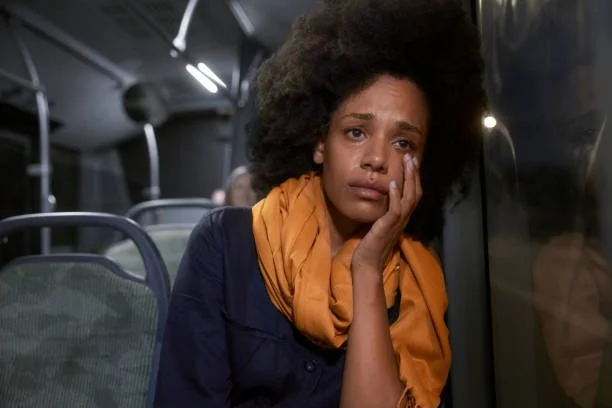
How To Take The First Steps To Heal From Postpartum Depression

Is Something Missing?

Do you ever wonder if you’d like postpartum depression treatment? Maybe you feel like you have what some people call the “baby blues”?

What if I told you that it’s so natural for a woman to experience doubts and fears about being a new mom that 80% of new moms feel those “baby blues”?

And what if I told you that 15% of those new moms go on to need postpartum depression treatment, so this could be healthy and exactly what you need to experience and explore right now as you launch into the future of motherhood and parenting?

Maybe you’d be open to considering that possibility and explore a way to understand how you can both learn and grow from what might be your signs of postpartum depression. I know from experience that all people have to deal with their own fears, discomforts, and challenges when they begin to face the reality of life as a new parent.

Women especially can experience new personal needs, like how to mentally cope with body and hormone changes.

The Doubts And Fears Of New Parents

Here’s the thing..,

Many people like to think that, as new parents, it should feel smooth and “easy” and picture perfect most of the time.

And many people don’t know how strongly this can influence them to make false conclusions…

… like, for example, thinking a new mom who wasn’t mentally prepared for breastfeeding and who now struggles with it is failing somehow.

But the opposite is true.

What Can *Really* Happen For New Moms

Any new mom who takes up the job of being a mom to her child will still have lots of challenges, doubts, phases of difficulty, and fears.

In fact, in a way, this kind of mom might have more challenges exactly because she wants to be truly open and honest about who she is and what she’s feeling.

The difference is how new moms in these situations accept, understand, and cope with this “harsh” reality.

Any new mom who takes up the job of being a mom to her child will still have lots of challenges, doubts, phases of difficulty, and fears.

Do you struggle with thoughts like, “I no longer want the baby”?

Or are you calm, confident, and collected about the challenges you’re facing now and the challenges you’ll face in the future?

If You Have Postpartum Depression, Therapy Can Help And Heal You

There’s something that commonly happens to women who deal with symptoms or signs of postpartum depression.

Sometimes when a new mom is dealing with too many pressures, she might self-isolate by taking it all upon herself and then she’ll get zero help because no one else knows.

If this sounds like you, please consider working with a postpartum therapist on these issues or whatever pressures you may be facing.

Self-isolation is risky. Why?

Because people without support are unprotected. Fortunately, therapy for depression can provide you with the support you need to cope with all the changes.

I’m a strong believer that postpartum depression treatment can help, and I’d be honored if you’d work on it with me.

CONTACT ME

Find out more about Depression Treatment.


About The Author

John Younes, JD, MA, LPCC, NCC is a trained counselor who owns a private practice in Denver, CO. In general, he specializes in depression treatment and anxiety treatment using existential and cognitive therapy practices.

Before I go, if you’re thinking about suicide and are in immediate danger, please call your local emergency number… so for Denver, Colorado, call 1-844-493-8255 or text TALK to 38255. You can also call the National Suicide Prevention Lifeline at 1-800-273-8255.

What Is Death Anxiety And How Do You Deal With It?

Read About A Simple Reason Why You Might Feel Anxious…

You may need anxiety treatment because of a hidden reason called “death anxiety.” By learning about it, you can get a closer look into the deeper levels of healing possible in therapy.

Read this to see more about how I’ll help you in session.

Many people experience intense anxiety attacks. Sometimes an anxiety attack is intense enough to make a person wonder if it’s serious or life-threatening. And all this is possible even if the person logically knows everything’s “OK.”

When an anxiety attack passes, have you ever noticed:

1)     Maybe your “quick fix” strategies didn’t work, and you feel confused?

2)     Maybe you’re anxious again all too soon, and you don’t know how you’ll recover?

What’s happening here? Especially if you experience more days like this than you’d like?

A Deeper Fear That Amplifies Anxiety

Existential therapy says “the fear of death is a primary source of anxiety.”

That quote is from page 42 of a book about therapy. (By the way, I’m going to put page numbers after I quote, I hope you don’t mind but I’m a nerd that way)

The book is called “Existential Psychotherapy” and it’s by a therapist named Irvin Yalom. When I read it, I learned therapists discovered death anxiety by treating terminally ill patients. Since many of these patients are scared of mortality, therapists study them to learn how people face death anxiety.

Now, maybe someone with anxiety will say in response, “Yeah, but those patients are literally going to die…”

And that’s true. But, and it’s a big one: “All individuals are confronted with death anxiety” (110). So maybe these patients can teach us about this primary source of anxiety. They might have words for what we probably want to push back down.

Are you with me on this? And, more importantly, how can you use this information to help your anxiety?

What I’m pulling out of this book is that most people are scared of death but we all cope with it differently… and sometimes the way we cope leads to anxiety and panic. Fortunately, if you think you might be feeling death anxiety, you can focus on it in anxiety treatment with me. So contact me right now and you’ll hear from me in one business day.

Onward…

How Death Anxiety Might Be Impacting Your Life

Here’s what I learned:

1) The fear of death is “part of the infant’s earliest life experience” (87).

2) For an adult, death anxiety is “deeply repressed” (189).

3) If you experience it, you feel death anxiety on “many different levels” (45).

4) Some levels may include: OCD, hyperventilation, and health anxiety (48 - 49).

5) Therapy can bring these fears to a “successful conclusion” (195).

OK, so what does help? And how do you do it in existential therapy?

Good questions...

But before I answer them, here’s a list of ways someone might be coping with severe anxiety symptoms that could really mask death anxiety:

· Workaholism (123)

· Reacting to “small deaths,” like signs of aging (57)

· Trying to calm down through “sexual activity” (145)

· Never quite finishing tasks (47)

· Choosing to be “frozen in adolescence” as a way of avoiding change (142)

· Alcoholism and obesity (199) —and, personally, I would add addiction

· Dreaming you or someone you love is dying (53)

· Self-sabotage, out of fear to live “as a separate isolated being” (128)

So, how can therapy help such intense anxiety?

Existential Therapy Is Soothing And Restorative

I can use existential therapy to help you in at least 3 ways. First, I want to mention an interesting explanation for why people feel death anxiety.

Early human beings joined together “out of the fear of death” bcause they didn’t want to be alone in the wild or get attacked by what’s in the dark (41). This means if you feel symptoms like pounding heart-rate it’s because a very ancient part of you got triggered and switched “on.”

Everything you were just experiencing works differently now. You could be overwhelmed. You might feel things that make no sense, like being pulled in many directions. For most people, getting a secure handle on anxiety takes time, self-compassion, and practice. But if you get the support you need from an anxiety therapist, you could use the methods of therapy for anxiety to make things easier for you.

As impossible as it may feel while you’re in distress, there’s something very helpful about getting an objective, trained and professional opinion about what you’re trying to overcome and how you can move forward with your goals. And if you combine this with the right therapy modality in your counseling, you get a powerful combination that can address challenges like death anxiety.

Here are 3 ways I can use existential therapy to help:

1) I’ll start by focusing on the anxiety as it’s showing up for you and what “defenses” you’ve been using. I’ll “use anxiety as a beacon or compass point” because your everyday anxiety can help reveal and “dismantle” the “sources” of your death anxiety (41).

2) As you go deeper into “the processing of the anxiety source,” I’ll help you “separate” your anxiety feelings so you “can think about death with only moderate discomfort” (51). As your anxiety therapist I’ve got “many structured exercises” to help you “recognize” and heal from “reminders of our existential situation” (165).

3) Moving into later sessions, we’ll practice how to use anxiety as your “guide as well as enemy” to make life decisions, which will “reduce anxiety to comfortable levels” (188). In my experience, this approach really kicks into high gear when we combine it with several other anxiety treatment approaches.

Let’s work on this together so you can achieve “certainty and mastery” (189) by the end of counseling. Anxiety can feel toxic to your health, but we can take apart how it bothers you so you can stop feeling this way. Please call or email me for your free 15-minute consultation.

CONTACT ME

Find out more about Anxiety Treatment.


About The Author

John Younes, JD, MA, LPCC, NCC is a trained counselor who owns a private practice in Denver, CO. In general, he specializes in depression treatment and anxiety treatment using existential and cognitive therapy practices.

As I go, if you’re thinking about suicide and are in immediate danger, please call your local emergency number… so for Denver, Colorado, call 1-844-493-8255 or text TALK to 38255. You can also call the National Suicide Prevention Lifeline at 1-800-273-8255.

3 Questions To Treat The Role Of Shame In Depression

Does Shame Play A Role In Your Depression?

I’m sorry if you’re struggling right now, but I’d like to ask—do you ever feel like you’ve got “something” to hide?

If so, I understand… and here’s an urgent newsflash for you

Some of the people who need therapy for depression make 1 unfortunate choice when it comes to trying to “get better” in life. They refuse to get help like depression treatment because of thinking patterns that they actually believe deep down they need to overcome.

Here’s what to do… and, more importantly, how to stop doing it right now.

Ok, let me ask you another question:

Do you have trouble accepting what others might not like about you? And does that make you feel like, “no worries, John!” Or does it make you feel something else?

If so, I’ve had enough “life challenges” myself (and been alongside enough other human beings going through the same thing) to know one thing’s for sure:

Most people with depression have what you might call poor “mental health” when it comes to emotions like shame.

Shame isn’t guilt, like something’s ethically or morally wrong. No, shame comes from a belief that others look at you in judgment to be this or that “inferior” quality.

But here’s the shocker:

All of this happens to us for a very specific and concrete psychological reason… we just need to give it close and thoughtful attention!

A Downward Spiral Of Shame

This happens because, deep down inside, most people feel ashamed when they believe their mistakes can never be taken back and others will ridicule them.

These people think something like, “I look like an idiot,” then maybe sometime later they’ll make the leap, “It’s horrible for anyone to look this way”… and now they feel ashamed.

So, what could you do instead? What could you ask yourself to start the process of leaving the shame behind…

… and start managing any aftereffects you may be experiencing?

I’m glad you asked. Here are 3 questions to help you process shame (and they’re examples of questions I’ll use in cognitive therapy sessions with you):

#1: Have you ever felt ashamed of something before in your past and you don’t feel that way anymore?

Listen… as crucial as it is to be ready for your negative thinking patterns, your situation may be much more immediate. You’re probably also dealing with various outside pressures like the following examples.

Someone who feels shame concerning others is much more likely to seem “tense” to others, more likely to seem anxious or blocked. Worst of all, that person is almost sure to come across like there’s something to hide.

You know how it goes. Here’s another example:

Maybe you always feel guilty, and it can be hard to talk about depression when you’re embarrassed. Perhaps you also know your family can be understanding, but putting that worry on them is something you don’t want to do. It’ll make you feel even worse because you don’t want them to feel that emotional burden so you try to take it all on by yourself.

And, of course…

Your family probably knows you’re struggling with something in life. But maybe you’ve been down before and you couldn’t hide it from your family, so everyone talked about the subject and now you’re hesitant to do it again…

Or maybe you’ve had other experiences like this?

I’ll tell you that after working with a compassionate depression therapist like me, it’s possible to come away “seeing things in a different light.”

You might come away thinking, “That’s how I can try to be looser in the situation.” Or, “That’s how I can rise above shame about this or that behavior.”

You see what I mean. The real question is… what does this mean for you?

It means that it could be helpful for you to think about the fact that much of shame is, in a way, self-made. And an easy way to think about it is this:

Remember a thing you were once embarrassed about but no longer bothers you.

Don’t get me wrong… I’m not saying you have to find a part of yourself that you’re all perfect in now or something. I’m just suggesting you start entertaining the idea you may have once been ashamed of something that no longer matters when you see it from today’s perspective instead of from yesterday’s.

In other words… a person who feels shame may play a role with shame, too. That person may be choosing to feel some of the shame… or to keep feeling it, more specifically.

It’s all self-made, in the sense that your intention makes it important or not.

Maybe you’ve got untreated feelings like shame inside. But it’s also possible you might not be embarrassed about stuff from a long time ago, right?

So your perspective right now will probably change and shift, too…

… which means feeling embarrassed in the present will pass, and in the meantime you can learn to cope by managing the aftereffects.

#2: Is there anything you’re ashamed of that others aren’t?

Maybe you struggle to not read into things. Perhaps you overthink. And it could be there are only a few people you’d be able to be yourself around.

You might have learned to move on at this point but you do know when you connect with someone else life makes a little more sense.

That’s why I recommend you reflect on being free to be yourself without shame at all costs…

Because by beginning to imagine yourself in a different set of circumstances you’ll be taking the first step towards making it real.

Then, if you do need to course-correct, you can openly acknowledge it instead of hiding it.

Example:

Tell or imagine you’re telling someone you can totally trust about the mistake (you can even say it out loud in the privacy of your room if you can’t literally talk to them)… and then try to imagine or experience them comforting you about it.

If you’re able to practice this “open policy” about mistakes long enough (which I’d recommend doing with the help of a depression therapist), you’ll be less likely to feel a “shame response.”

Even better: you’ll be less anxious and much more flexible in your responses.

That’s fantastic… not only are you re-directing your thoughts into comforting, helpful directions…

… you’re also ready for the next time you feel like you need to self-correct!

Nice.

#3. Is there anything others are ashamed of that you aren’t?

I’d like to extend this one further…

If you use the “open policy” and practice openly acknowledging mistakes… you can eventually list out the advantages and disadvantages of openly acknowledging.

This is critical… yet it can be hard to come up with during times of chaos. So after you get started in a moment when things are calm, you can come up with a list to look over in a difficult moment later and find some encouragement. The way you look at what you’ve done is ultimately what determines if it bothers you or not.

Sure, a disadvantage of telling someone you messed up is they might think less of you. But an advantage of telling someone you messed up is you might learn through a very felt experience that you can only blame yourself as the victim if you choose to apply someone else’s value system to yourself.

In other words, a person’s shame might be someone else’s idea of what’s right or wrong… and that means it’s something the person can reject.

Make sure to contact me if you think we might work well together.

CONTACT ME

Find out more about Depression Treatment.


About The Author

John Younes, JD, MA, LPCC, NCC is a trained counselor who owns a private practice in Denver, CO. In general, he specializes in depression treatment and anxiety treatment using existential and cognitive therapy practices.

And one more thing: if you’re thinking about suicide and are in immediate danger, please call your local emergency number… so for Denver, Colorado, call 1-844-493-8255 or text TALK to 38255. You can also call the National Suicide Prevention Lifeline at 1-800-273-8255.